
If you're struggling with back pain in Charlotte, it's crucial to know that you have several reliable options at your disposal. From chiropractic care to physical therapy and even acupuncture, each choice offers a tailored approach to your unique situation. You might also consider lifestyle modifications like yoga or Pilates, which can greatly impact your overall well-being. But with so many avenues available, how do you determine which method is the most effective for you? Exploring your options could lead you to the relief you've been searching for.
Chiropractic Care
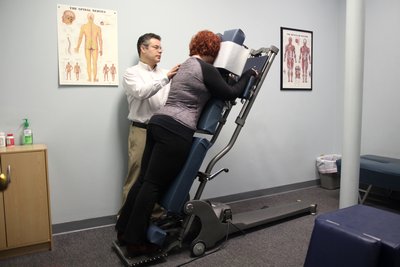
When it comes to finding relief from back pain, chiropractic care often stands out as a popular option. Many people turn to chiropractors to address their discomfort, thanks to its focus on spinal alignment and overall body mechanics. If you've been struggling with back pain, you might find that chiropractic adjustments can help restore balance and improve your mobility.
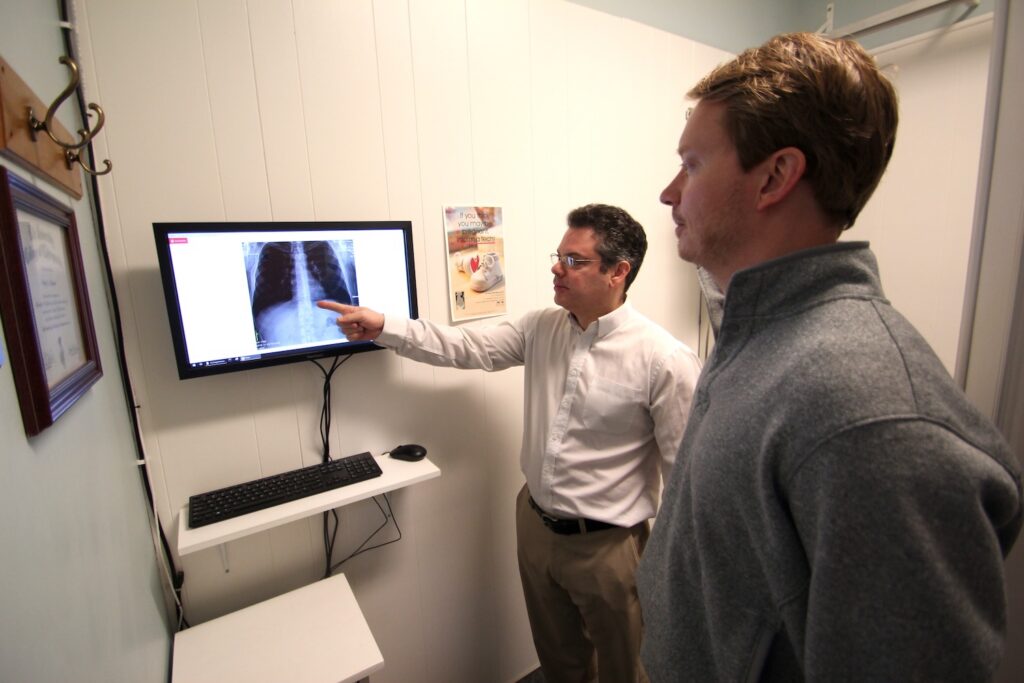
During your first visit, the chiropractor will evaluate your condition, looking for misalignments or areas of tension. They'll likely ask about your pain history and perform a physical examination to pinpoint the source of your discomfort. Once they've identified the issues, they'll develop a tailored treatment plan just for you.
Chiropractors use various techniques to help relieve pain, including spinal manipulation, soft tissue therapy, and lifestyle advice. These methods aim to alleviate pressure on nerves, reduce inflammation, and promote the body's natural healing processes. You'll likely notice improvements in your pain levels after just a few sessions.
One of the significant advantages of chiropractic care is that it empowers you to take an active role in your recovery. You'll learn exercises and stretches to strengthen your back and prevent future injuries. Plus, you'll gain insight into your posture and daily habits, allowing you to make changes that support long-term health.
If you're looking for a holistic approach to back pain relief, considering chiropractic care may be a step in the right direction. It might just be the answer you've been searching for!
Physical Therapy
Chiropractic care can be an effective starting point for back pain relief, but many people also benefit from physical therapy as part of their recovery journey. Physical therapy focuses on strengthening muscles, improving flexibility, and enhancing overall function, which can help alleviate pain and prevent future issues.
When you work with a physical therapist, you'll undergo a personalized assessment to identify the root causes of your back pain. From there, your therapist will create a tailored exercise plan aimed at addressing your specific needs. This might include stretching exercises to improve flexibility, strengthening routines to support your spine, and techniques to enhance your posture.
In addition to exercises, your therapist may use modalities like heat, ice, or electrical stimulation to reduce pain and inflammation. Learning proper body mechanics during daily activities is essential, too. Your therapist will guide you on how to lift, sit, and move correctly, minimizing stress on your back.
Physical therapy not only helps relieve pain but also empowers you with the knowledge and skills to manage your condition. You'll gain insight into how to maintain a healthy back and prevent future injuries. By committing to this proactive approach, you're likely to notice significant improvements in your mobility and quality of life.
Ultimately, combining physical therapy with other treatments like chiropractic care can create a thorough strategy for effective back pain relief.
Massage Therapy
Massage therapy offers a hands-on approach to back pain relief, targeting tense muscles and promoting relaxation. When you experience back pain, it often stems from tight muscles, stress, or injury. A skilled massage therapist can identify these problem areas and apply techniques that help alleviate discomfort.
During a session, you can expect a range of techniques, including Swedish, deep tissue, and trigger point therapy. Each method focuses on different muscle layers and tension points. If you're unsure which technique is best for your situation, your therapist can guide you based on your specific needs. Don't hesitate to communicate any areas of concern, as your comfort is paramount.
Regular massage sessions can greatly reduce back pain by improving circulation and flexibility. You'll likely notice increased mobility and a decrease in muscle stiffness. Plus, the relaxation that comes from a massage can help lower stress levels, which often contribute to chronic pain.
It's important to find a qualified massage therapist in Charlotte who understands back pain and has experience treating it. Look for credentials and reviews that reflect their expertise. You might also consider discussing your back pain with your healthcare provider before starting massage therapy to confirm it's a suitable option for you.
Incorporating massage therapy into your pain management routine could lead to lasting relief. You'll find that investing time in this therapeutic approach can enhance your overall well-being and help you regain control over your life.
Acupuncture Services
Acupuncture services offer a unique approach to back pain relief, utilizing the principles of Traditional Chinese Medicine. This holistic method focuses on balancing your body's energy flow, or "qi," to alleviate discomfort and promote overall well-being.
If you're considering acupuncture for your back pain, here are a few benefits you might experience:
- Pain Reduction: Many patients report significant decreases in pain levels after treatment, thanks to the release of endorphins and other natural painkillers.
- Improved Mobility: You may notice better flexibility and range of motion in your back, making daily activities more manageable.
- Reduced Muscle Tension: Acupuncture can help relax tight muscles, providing relief from stiffness and discomfort.
- Stress Relief: The calming environment of an acupuncture session can also help reduce stress, which is often a contributing factor to back pain.
During your session, a trained practitioner will insert thin needles into specific points on your body. You might feel a slight prick, but most people find the experience relaxing.
Sessions typically last between 30 to 60 minutes, and the number of visits needed varies based on your individual condition.
In Charlotte, you'll find various licensed acupuncturists ready to help you on your journey to back pain relief. By exploring acupuncture, you're taking a proactive step toward achieving a healthier, pain-free life.
Pain Management Clinics
When you're dealing with back pain, pain management clinics can offer a range of treatment options tailored to your needs.
You'll work with qualified medical professionals who focus on creating personalized care plans just for you.
This approach not only addresses your pain but also helps improve your overall well-being.
Treatment Options Available
If you're struggling with persistent back pain, exploring treatment options at pain management clinics in Charlotte can be a game-changer.
These clinics offer a variety of approaches tailored to your specific needs, helping you regain control over your life.
Here are four key treatment options you might encounter:
1. Physical Therapy
Tailored exercise programs can strengthen your back and improve flexibility, reducing pain over time.
2. Medication Management
Clinics often provide a range of medications, including anti-inflammatories, muscle relaxants, or even nerve pain medications to help manage your pain effectively.
3. Injections
Injections like epidurals or facet joint injections can provide targeted relief, reducing inflammation and alleviating pain.
4. Alternative Therapies
Many clinics incorporate acupuncture, chiropractic care, or massage therapy as part of a thorough approach to pain relief.
Qualified Medical Professionals
Finding the right qualified medical professionals at pain management clinics in Charlotte is vital for effectively addressing your back pain. When you walk into a clinic, you want to feel confident that you're in the hands of experts who understand your condition.
Look for physicians specialized in pain management, physical therapy, or rehabilitation. These professionals have the training and experience to diagnose your specific pain issues and recommend appropriate treatments.
Additionally, consider the support staff at the clinic. A caring team, including nurses and administrative personnel, can greatly enhance your experience. They should be willing to listen to your concerns and help you navigate your treatment options.
You might also want to check for certifications and affiliations with reputable medical organizations. This reflects the clinic's commitment to maintaining high standards of care.
Don't hesitate to ask about the clinic's track record and patient outcomes.
Finally, read reviews or seek recommendations from others who've dealt with similar pain issues. Building a trusting relationship with qualified medical professionals will play a vital role in your journey to finding effective back pain relief.
Personalized Care Plans
Personalized care plans in pain management clinics are essential for effectively addressing your unique back pain challenges. Every individual's experience with pain is different, and a one-size-fits-all approach simply won't work. By tailoring a plan specifically for you, clinics can enhance your chances of finding relief and improving your quality of life.
Here are four key components of personalized care plans:
- Comprehensive Assessment: Your provider will evaluate your medical history, lifestyle, and pain levels to understand your needs fully.
- Targeted Treatments: Based on your assessment, you'll receive a combination of therapies, which may include physical therapy, medications, or injections.
- Ongoing Monitoring: Regular check-ins will help track your progress and adapt your plan as needed. This guarantees that treatment remains effective.
- Holistic Approach: Personalized care often includes lifestyle modifications, such as exercise and nutrition guidance, to support your overall well-being.
With a personalized care plan, you're more likely to experience meaningful relief from back pain. Don't hesitate to reach out to a pain management clinic in Charlotte to start your tailored journey toward recovery.
Yoga and Pilates
Many people in Charlotte are discovering the benefits of yoga and Pilates as effective methods for alleviating back pain. These practices focus on strengthening the core, improving flexibility, and promoting relaxation, all of which can contribute to a healthier spine.
When you engage in yoga, you're not just stretching; you're also working on your posture and alignment. This can help reduce strain on your back and improve your overall body mechanics. Specific poses, like Cat-Cow and Child's Pose, can gently stretch and strengthen the muscles around your spine, providing relief from discomfort.
Pilates, on the other hand, emphasizes core strength, which is essential for supporting your back. By practicing exercises that target your abdominal muscles and lower back, you can create a stable foundation that alleviates pressure on your spine. Many Pilates studios in Charlotte offer classes tailored to those with back pain, ensuring you get the guidance you need.
Both yoga and Pilates encourage mindfulness, helping you become more aware of your body and how it moves. This awareness can lead to better habits in your daily life, reducing the risk of future injuries.
If you're new to these practices, consider joining a beginner class or working with an instructor who understands your specific back pain issues. With consistency and the right approach, you can experience significant improvements and enjoy a more active, pain-free lifestyle.
Over-the-Counter Medications
When you're dealing with back pain, over-the-counter medications can offer quick relief.
It's important to know which common pain relievers are effective and how to use them safely.
Let's explore the right dosages and tips to keep in mind for your health.
Common OTC Pain Relievers
For those seeking relief from back pain, common over-the-counter (OTC) pain relievers can be effective and easily accessible solutions.
These medications can help manage your discomfort and allow you to carry on with daily activities. Here's a quick look at some popular choices:
- Ibuprofen: This nonsteroidal anti-inflammatory drug (NSAID) reduces inflammation and alleviates pain.
- Acetaminophen: Often recommended for pain relief, this option is gentle on the stomach and can be effective for mild to moderate back pain.
- Naproxen: Another NSAID, naproxen offers longer-lasting pain relief and is suitable for those who need extended support.
- Aspirin: While less common for back pain, it can help reduce inflammation and pain, but it's important to be cautious with potential side effects.
Before choosing an OTC pain reliever, consider your specific symptoms and any other medications you might be taking.
These options can serve as a helpful first step in managing your back pain while you explore other treatments or consult a healthcare provider.
Dosage and Safety Tips
Finding the right dosage and understanding safety tips for over-the-counter (OTC) medications can make a significant difference in managing back pain effectively.
First, always read the label carefully. Each medication has specific dosing recommendations based on age, weight, and health conditions. For instance, ibuprofen and acetaminophen usually recommend a maximum of 1,200 mg and 3,000 mg per day, respectively.
Next, consider your overall health. If you have conditions like liver disease or ulcers, certain medications may not be safe for you. It's important to consult with a healthcare professional if you're unsure.
When taking OTC medications, avoid combining them unless directed by a doctor. Mixing different pain relievers can increase the risk of side effects and toxicity.
Also, monitor for any adverse reactions. If you experience symptoms like nausea, dizziness, or allergic reactions, stop the medication and seek medical advice immediately.
Lastly, don't rely solely on OTC medications. Incorporate other pain relief methods, such as physical therapy or exercise, to enhance your back pain management strategy.
Stay informed and proactive for the best results.
Hot and Cold Therapy
Whether you're dealing with chronic back pain or a recent injury, hot and cold therapy can be a game changer in your recovery process. By alternating these two methods, you can alleviate pain, reduce inflammation, and promote healing.
Here's what you need to know about using hot and cold therapy effectively:
- Heat Therapy: Applying heat increases blood flow to the affected area, helping to relax tense muscles. You can use a heating pad, warm towel, or even take a warm bath. Just make sure it's comfortably warm, not scalding.
- Cold Therapy: Cold packs can numb the pain and reduce swelling, especially after a new injury. Ice packs, frozen veggies, or even a cold compress can do the trick. Aim to apply cold therapy for about 15-20 minutes at a time.
- Alternating Treatments: You don't have to choose one over the other. Many people find that alternating between hot and cold therapy provides the best relief. Try 15-20 minutes of heat followed by the same duration of cold.
- Listen to Your Body: Everyone's pain is different, so pay attention to how your body responds. If something feels uncomfortable or worsens your pain, stop and consult a healthcare professional.
Incorporating hot and cold therapy into your routine can provide significant relief and help you manage your back pain more effectively.
Give it a try and see what works best for you!
Lifestyle Modifications
Making simple lifestyle modifications can greatly impact your back pain management. One of the most effective changes you can make involves enhancing your posture. Whether you're sitting at a desk or standing in line, keeping your spine aligned helps reduce strain on your back muscles. Consider using ergonomic furniture to support your posture throughout the day.
Incorporating regular physical activity into your routine is another powerful way to alleviate back pain. Low-impact exercises like walking, swimming, or yoga can strengthen your core and improve flexibility. Aim for at least 30 minutes of moderate exercise most days of the week, but listen to your body and adjust as needed.
Weight management is essential, too. Excess weight can place additional strain on your back, so maintaining a healthy weight through a balanced diet and regular exercise can help prevent worsening pain. Focus on whole foods, like fruits, vegetables, whole grains, and lean proteins, while minimizing processed foods.
Don't underestimate the power of stress management. High stress levels can contribute to muscle tension, exacerbating back pain. Techniques like meditation, deep breathing exercises, or even simple hobbies can help you unwind and reduce stress.
Finally, make certain you're getting enough quality sleep. A good mattress and appropriate sleeping positions can make a significant difference in how your back feels each morning.
Conclusion
In Charlotte, you've got plenty of reliable options for back pain relief. Whether you choose chiropractic care, physical therapy, or acupuncture, each approach can be tailored to your specific needs. Don't forget the benefits of yoga, lifestyle changes, and even hot and cold therapy to complement your treatment. By exploring these various methods, you can take control of your back pain and enhance your overall well-being. Start your journey to relief today!