
When it comes to managing back pain, you might find that holistic methods offer a thorough approach that goes beyond mere symptom relief. These techniques focus on the interconnections between your body, mind, and environment, providing insights that traditional treatments often overlook. By exploring options like yoga, nutrition, and mindfulness, you can address the root causes of your discomfort. But how do these methods actually work in practice, and what specific techniques could be most effective for your situation?
Understanding Holistic Approaches
Holistic approaches to back pain relief focus on treating the whole person, not just the symptoms. You might be wondering how this differs from traditional medicine. While conventional treatments often target specific symptoms—like pain or inflammation—holistic methods investigate the underlying causes of your discomfort. This means considering your physical, emotional, and even environmental factors that contribute to your back pain.
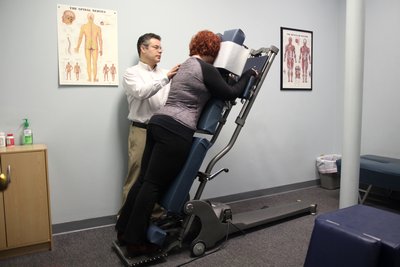
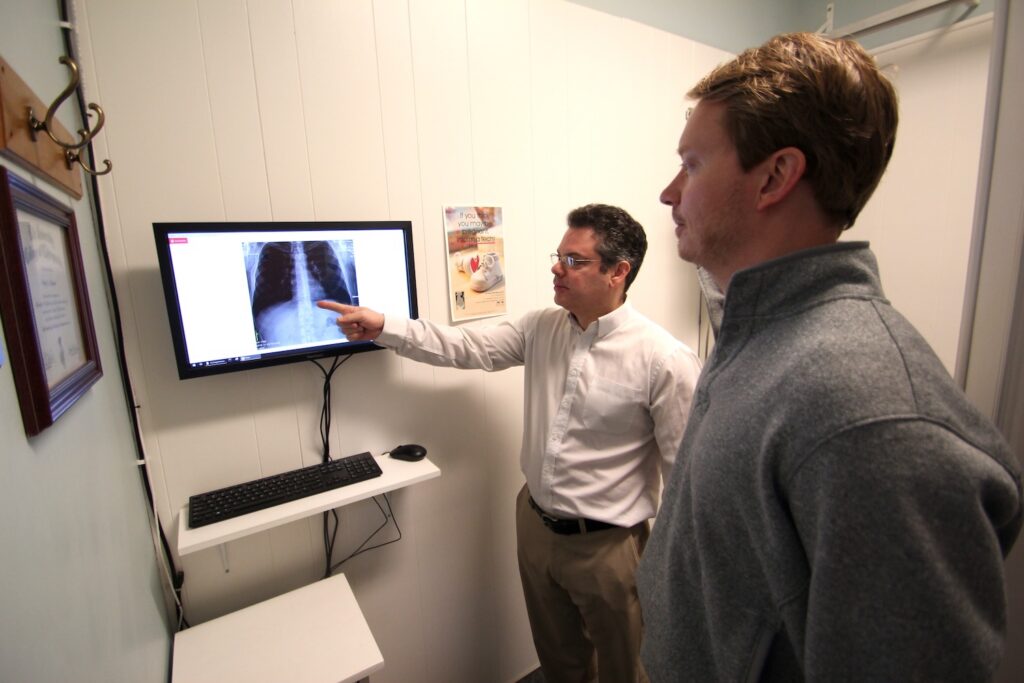
When you examine holistic options, you'll find a range of therapies designed to promote overall well-being. Techniques such as acupuncture, chiropractic care, and massage therapy aim to restore balance in your body. These practices can help alleviate pain while also improving your posture, flexibility, and overall physical health.
You might also consider incorporating wellness practices like yoga or tai chi, which not only enhance physical strength but also cultivate mindfulness.
Nutrition plays a significant role in holistic approaches, too. You may discover that certain foods can reduce inflammation or provide essential nutrients for healing. By adopting a balanced diet, you can support your body's natural ability to recover.
Additionally, addressing stress through mindfulness techniques, meditation, or breathing exercises can help manage pain. When you reduce stress, you're less likely to tense up, which can exacerbate back pain.
Benefits of Mind-Body Connection
How can the mind-body connection enhance your experience of back pain relief? By fostering a strong link between your mental and physical states, you can markedly improve your overall well-being. When you actively engage with your thoughts and emotions, you're able to influence your body's response to pain. This connection can help you better manage stress, which often exacerbates discomfort.
Practicing mindfulness techniques, such as meditation or deep breathing, allows you to become more aware of your body. This heightened awareness enables you to identify tension and discomfort, helping you to address these issues before they escalate. You may find that simply focusing on your breath can ease tight muscles, promoting relaxation and reducing pain.
Additionally, visualization techniques can play an essential role in your healing process. Picture your back as strong and healthy, and imagine pain melting away. This mental imagery can shift your focus from discomfort to healing, leading to a more positive outlook on your pain management journey.
Embracing activities like yoga or tai chi can also enhance your mind-body connection. These practices encourage movement and flexibility while integrating breath control and mental focus. As you become more in tune with your body, you'll likely notice improvements in your pain levels and overall quality of life.
Ultimately, nurturing this connection empowers you to take charge of your pain relief. By blending mental and physical strategies, you can create a holistic approach that supports your healing journey.
Role of Nutrition in Healing
Nutrition plays an essential role in your recovery from back pain.
By incorporating anti-inflammatory foods and staying hydrated, you can greatly impact your healing process.
Plus, ensuring you get essential nutrients will support your body in repairing itself effectively.
Anti-inflammatory Foods Benefits
Incorporating anti-inflammatory foods into your diet can greatly impact your healing journey, especially when dealing with back pain. These foods help reduce inflammation in your body, which can alleviate pain and promote recovery. By focusing on what you eat, you can give your body the nutrients it needs to heal effectively.
Start by adding more fruits and vegetables to your meals. Leafy greens, berries, and citrus fruits are packed with antioxidants that combat inflammation.
Healthy fats, like those found in avocados, nuts, and olive oil, also play a significant role in reducing pain. Omega-3 fatty acids, found in fatty fish such as salmon and sardines, are particularly beneficial for their anti-inflammatory properties.
You might also want to include spices like turmeric and ginger, which have natural anti-inflammatory effects.
Whole grains, such as brown rice and quinoa, can provide necessary fiber and nutrients that support overall health.
Hydration's Impact on Recovery
Staying properly hydrated is just as important as eating anti-inflammatory foods when it comes to recovering from back pain. Water plays an essential role in maintaining the health of your discs and joints, which are critical for spinal support and mobility. When you're dehydrated, your body struggles to cushion these structures effectively, increasing the risk of pain and discomfort.
You mightn't realize it, but even mild dehydration can impair your body's ability to heal. Proper hydration helps flush out toxins, reduce inflammation, and support nutrient transport to damaged tissues. It also aids in maintaining ideal muscle function, which can prevent additional strain on your back.
To promote recovery, aim to drink enough water throughout the day. If you're active or live in a hot climate, you'll need to increase your intake. A good rule of thumb is to drink at least half your body weight in ounces of water daily.
Don't wait until you feel thirsty; make hydration a consistent part of your routine. By prioritizing your water intake, you're taking a crucial step toward a pain-free life and enhancing your overall healing process.
Essential Nutrients for Healing
A balanced diet rich in essential nutrients is critical for healing back pain effectively. When you nourish your body with the right foods, you provide it with the tools needed for recovery.
Key nutrients like omega-3 fatty acids, found in fish and flaxseeds, help reduce inflammation, which can alleviate pain. Antioxidants, present in fruits and vegetables, combat oxidative stress and promote tissue repair.
Don't forget about vitamin D and calcium, essential for bone health. These nutrients work together to strengthen your skeletal system, reducing the risk of future injuries.
Magnesium also plays a significant role; it helps relax muscles and nerves, easing tension in your back.
Protein is another important player in your healing journey. It supports muscle repair and growth, allowing your body to recover more efficiently. Incorporating lean meats, beans, and nuts into your meals can guarantee you're getting enough.
Lastly, stay mindful of your sugar intake. High sugar consumption can lead to inflammation, hindering your healing process.
Effective Techniques: Yoga and Pilates
Yoga and Pilates can be powerful tools for relieving back pain.
They not only strengthen your core but also enhance your mind-body connection, helping you become more aware of your posture and movement.
Benefits of Yoga
Finding relief from back pain can be a transformative journey, and incorporating yoga into your routine offers numerous benefits. Yoga isn't just about flexibility; it emphasizes strength, balance, and mindfulness, all of which can help alleviate discomfort in your back.
When you practice yoga, you'll engage in gentle stretching and strengthening exercises that improve your posture. Better posture reduces strain on your back and helps prevent future pain. Additionally, yoga promotes relaxation, which can lower stress levels that often contribute to muscle tension.
You'll also find that many yoga poses target the muscles surrounding your spine, enhancing their strength and flexibility. This support can lead to improved spinal alignment, reducing pressure on nerves and discs.
Plus, the controlled breathing techniques practiced in yoga can increase oxygen flow to your muscles, aiding in recovery and reducing stiffness.
Incorporating yoga into your daily routine can empower you to take control of your back pain. By committing to this holistic approach, you're not just treating symptoms; you're fostering overall well-being and resilience in your body.
Pilates for Core Strength
While many people associate Pilates primarily with core strength, its benefits extend far beyond that, making it an excellent complement to yoga in your back pain relief journey.
Pilates focuses on building a strong, balanced body through controlled movements, which can greatly improve your posture and spinal alignment. This is essential for alleviating back pain.
Here are some key aspects of Pilates that can enhance your back pain relief efforts:
- Improved Flexibility: Regular Pilates practice helps stretch tight muscles, which can contribute to discomfort.
- Enhanced Stability: Strengthening your core stabilizes the spine, reducing strain on your back during daily activities.
- Mindful Movement: The emphasis on precision in Pilates encourages you to become more aware of your body, promoting a safer range of motion.
- Injury Prevention: By strengthening the muscles that support your spine, Pilates helps you avoid future injuries.
Incorporating Pilates into your routine alongside yoga not only boosts your core strength but also fosters a well-rounded approach to managing your back pain effectively.
You'll likely find that these practices work together harmoniously to support your overall health and well-being.
Mind-Body Connection
A strong mind-body connection is vital for effectively managing back pain, and both yoga and Pilates offer unique techniques to enhance this relationship. By focusing on your breath and body awareness, you can develop a deeper understanding of how your movements affect your back.
In yoga, the combination of postures and mindfulness helps you release tension and improve flexibility. Poses like Child's Pose or Cat-Cow promote gentle stretching and relaxation, allowing you to tune into your body's signals. Regular practice can empower you to recognize pain triggers and work toward alleviating them.
Pilates, on the other hand, emphasizes core strength and stability, which are essential for a healthy spine. By engaging your core and aligning your body correctly, you're not just building strength, but also fostering a greater awareness of how you move throughout your day.
Both practices encourage you to listen to your body and cultivate a sense of calm, making it easier to manage pain.
Acupuncture and Pain Management
Acupuncture, rooted in ancient Chinese medicine, offers a compelling approach to managing back pain through targeted stimulation of specific points on the body. When you undergo acupuncture, fine needles are inserted at strategic locations, helping to release blocked energy, or "Qi," and promote natural healing. This method not only alleviates pain but can also improve overall well-being.
Many people find that acupuncture sessions lead to a significant reduction in back pain intensity and frequency. The treatment triggers the release of endorphins, your body's natural painkillers, which can enhance your mood and aid in relaxation.
You'll likely appreciate how acupuncture serves as a non-invasive alternative to pharmaceuticals or surgery.
Here are some benefits of incorporating acupuncture into your pain management strategy:
- Personalized Treatment: Acupuncturists tailor sessions based on your unique pain patterns and overall health.
- Minimal Side Effects: Unlike many pain medications, acupuncture typically comes with few, if any, side effects, making it a safer option for long-term use.
- Enhanced Mobility: Regular sessions may improve your range of motion, allowing you to engage in daily activities with greater ease.
- Complementary Approach: Acupuncture can be combined with other holistic treatments, like physical therapy or yoga, for a more thorough pain management plan.
Incorporating acupuncture into your routine can provide the relief you need while promoting a holistic approach to your health.
Importance of Stress Reduction
Stress plays a crucial role in exacerbating back pain, making stress reduction an essential component of effective pain management. When you're stressed, your body tenses up, which can lead to muscle tightness and discomfort in your back. This tension can create a vicious cycle: the more pain you feel, the more stress you experience, and vice versa. By actively managing your stress, you can break this cycle and promote overall healing.
Incorporating stress reduction techniques into your daily routine can greatly enhance your back pain relief efforts. Mindfulness practices, such as meditation or deep breathing exercises, help you center your thoughts and reduce anxiety. When you focus on your breath, you signal your body to relax, which can ease muscle tension in your back.
Additionally, physical activities like yoga or tai chi not only improve flexibility and strength but also promote relaxation. These practices encourage you to connect with your body and release built-up stress.
Even simple activities like walking in nature or enjoying a hobby can help to alleviate stress, making them beneficial for your back pain.
Don't underestimate the importance of social support, either. Talking with friends or family about your feelings can provide emotional relief and help you cope with stress more effectively.
Integrating Lifestyle Changes
Making small yet impactful lifestyle changes can greatly enhance your journey toward back pain relief.
By incorporating mindful habits into your daily routine, you can support your body's natural healing processes and reduce discomfort. Here are some changes you might consider:
- Improve your posture: When sitting or standing, pay attention to your alignment. Keeping your back straight and shoulders relaxed can prevent unnecessary strain.
- Incorporate regular movement: Aim for short walks or gentle stretches throughout the day. This keeps your muscles active and helps maintain flexibility, reducing stiffness that often accompanies back pain.
- Stay hydrated: Drinking enough water is vital for spinal health. Hydration helps maintain the elasticity of spinal discs, which can alleviate pressure on your back.
- Prioritize sleep quality: Quality sleep is essential for recovery. Establish a calming bedtime routine, and invest in a supportive mattress and pillows to guarantee your spine stays aligned while you rest.
Personalizing Your Holistic Journey
Personalizing your holistic journey to back pain relief involves understanding that each individual's experience with pain is unique. To effectively address your specific needs, start by evaluating your pain's origin, intensity, and how it affects your daily life. This self-reflection helps you identify which holistic methods resonate with you.
Consider incorporating practices that align with your lifestyle and preferences. For example, if you enjoy physical activity, yoga or tai chi might be ideal for combining movement with mindfulness. On the other hand, if you prefer a quieter approach, meditation or deep-breathing exercises might serve you better.
Explore various modalities, such as acupuncture, chiropractic care, or massage therapy, to see what alleviates your discomfort most effectively.
Dietary choices can also play a vital role in your holistic journey. A balanced diet rich in anti-inflammatory foods can support your body's natural healing process. Keep a journal to track what you eat and how it impacts your pain levels, allowing you to make informed adjustments.
Lastly, don't hesitate to seek guidance from holistic practitioners. They can help tailor your approach, providing insights into what might work best for you.
Conclusion
Choosing holistic methods for back pain relief empowers you to address not just the pain, but the underlying factors affecting your well-being. By integrating practices like yoga, acupuncture, and mindful eating into your routine, you can enhance your body's natural healing process. Embracing these approaches fosters a deeper connection between your mind and body, ultimately leading to sustainable relief and improved overall health. Take charge of your journey and discover the holistic path that resonates with you.