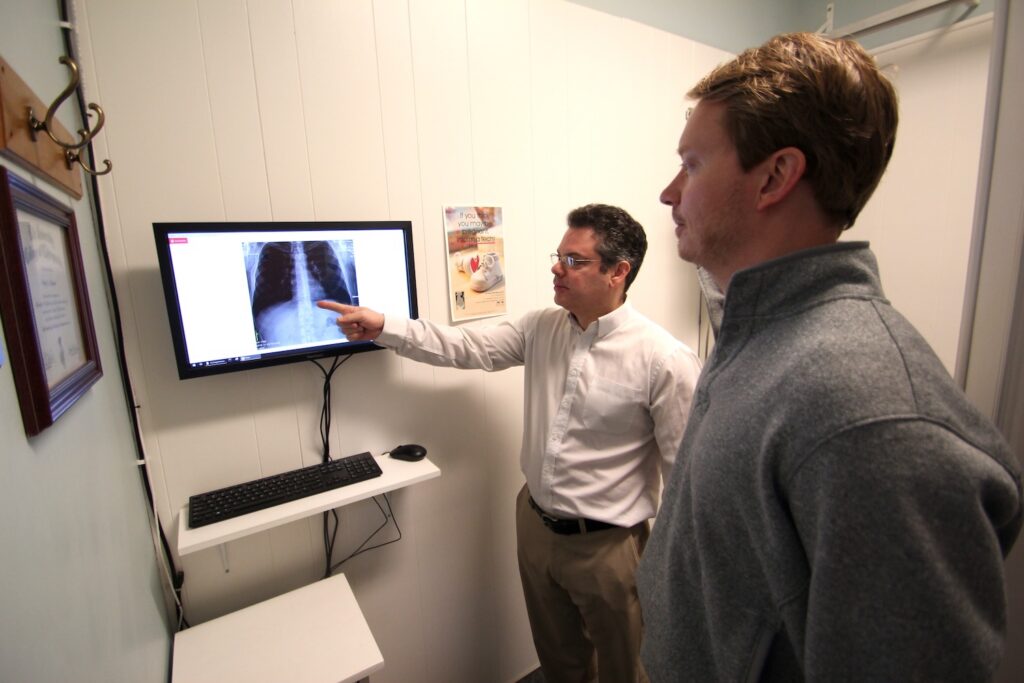

If you're struggling with back pain in Charlotte, you've got options that can provide relief and improve your quality of life. From chiropractic adjustments to personalized physical therapy, there are various approaches you can take. You might also find that yoga or acupuncture can play an essential role in your recovery. But that's just the beginning; there are a few more strategies that could greatly impact your everyday comfort. You might be surprised by some of the methods you haven't considered yet.
Visit a Chiropractor
Have you considered visiting a chiropractor to help relieve your back pain? Chiropractic care focuses on diagnosing and treating musculoskeletal disorders, particularly those involving the spine. If you're experiencing discomfort, a chiropractor can provide targeted adjustments to align your spine and alleviate pressure on nerves.
During your first visit, the chiropractor will assess your condition through a physical examination and may ask about your medical history. This thorough evaluation helps them determine the best course of treatment tailored to your needs. You might be surprised by how many patients report immediate relief after just one session.
Chiropractic adjustments involve applying controlled force to specific joints, enhancing mobility and reducing pain. This hands-on technique can improve your overall function and may even prevent future issues. Additionally, chiropractors often incorporate other supportive therapies, such as stretching exercises and advice on posture, to promote long-term wellness.
You might wonder about the safety of chiropractic care. Rest assured, when performed by a licensed chiropractor, it's generally safe and effective for most individuals. However, if you have underlying health conditions, it's important to discuss these with your chiropractor to guarantee you receive appropriate care.
Ultimately, visiting a chiropractor can be an important step in your journey toward back pain relief. By investing in your spinal health, you're taking proactive measures to enhance your quality of life. So why not schedule that appointment and start feeling better today?
Explore Physical Therapy
After considering chiropractic care, you might also want to explore physical therapy as another effective option for managing back pain.
Physical therapy focuses on strengthening your muscles, improving flexibility, and enhancing your overall mobility. A trained physical therapist will work with you to create a personalized treatment plan tailored to your specific needs.
Here are some key benefits of physical therapy for back pain relief:
- Targeted exercises: You'll engage in exercises designed to strengthen your back and core muscles, providing better support for your spine.
- Pain management techniques: Physical therapists often incorporate modalities like heat, ice, or electrical stimulation to help alleviate pain and reduce inflammation.
- Posture improvement: You'll learn how to maintain proper posture during daily activities, which can greatly reduce strain on your back.
- Education and self-management: Your therapist will teach you techniques to manage your pain at home and prevent future issues.
In a physical therapy session, you'll typically start with an assessment of your condition.
Your therapist will evaluate your range of motion, strength, and pain levels to determine the best course of action. As you progress, they'll adjust your plan to guarantee you're continually challenged and making improvements.
Try Acupuncture Treatments
Many people find that acupuncture treatments offer a unique approach to relieving back pain. This ancient practice involves inserting thin needles into specific points on your body to help restore balance and promote healing. If you're struggling with persistent back pain, acupuncture could provide the relief you've been seeking.
During your acupuncture session, a trained practitioner will assess your condition and identify the points that correspond to your pain. Many patients report feeling relaxed and even energized after treatment. The needles stimulate the release of endorphins, your body's natural painkillers, which can greatly reduce discomfort.
You might wonder how many sessions you'll need to see results. While some people experience immediate relief after just one treatment, others may require a series of sessions to achieve ideal results. It's important to communicate openly with your acupuncturist about your pain levels and any changes you notice after each session.
Acupuncture is generally safe, but it's vital to seek treatment from a licensed and experienced practitioner. They'll use sterilized needles and follow proper hygiene practices to minimize any risk.
If you're open to trying alternative therapies, acupuncture might be an effective addition to your pain management plan. Give acupuncture a chance and see how it works for you. You may discover a new way to alleviate your back pain and improve your overall well-being.
Ultimately, it's about finding what works best for you and your body.
Engage in Yoga Classes
Incorporating yoga classes into your routine can be a powerful way to relieve back pain and enhance your overall flexibility. Yoga emphasizes stretching, strengthening, and relaxation, which can help alleviate tension in your back muscles. By regularly attending classes, you'll learn specific poses designed to target the areas that often contribute to discomfort.
Here are some benefits you can expect from practicing yoga regularly:
- Improved Flexibility: Yoga helps lengthen tight muscles, making it easier to move without pain.
- Strengthened Core: Many poses engage your core muscles, providing better support for your spine.
- Better Posture: Yoga encourages awareness of your body's alignment, helping you maintain proper posture throughout the day.
- Stress Relief: The meditative aspects of yoga can reduce stress, which often contributes to muscle tension.
When choosing a yoga class, look for those specifically tailored to back pain relief or beginner-level classes if you're new to yoga. It's important to listen to your body; never push yourself into a pose that doesn't feel right.
Consistency is key, so aim to practice a few times a week for the best results.
As you progress, you'll likely notice improvements not just in your back pain, but also in your overall physical and mental well-being.
Utilize Massage Therapy
Massage therapy can be a powerful tool in relieving your back pain.
Different techniques, like deep tissue or trigger point massage, target muscle tension and promote relaxation.
Benefits of Massage Therapy
When you're dealing with back pain, utilizing massage therapy can provide significant relief. Not only does it help reduce your discomfort, but it also offers various other benefits that enhance your overall well-being.
Here are some key advantages you can experience:
- Improved Circulation: Massage increases blood flow, promoting faster healing and reducing stiffness.
- Stress Reduction: The calming effects of massage can help ease stress and anxiety, which often exacerbate back pain.
- Enhanced Flexibility: Regular sessions can improve your range of motion, making it easier to perform daily activities.
- Pain Management: It can lower the levels of pain-causing substances in your body, providing lasting relief.
Incorporating massage therapy into your routine doesn't just target the immediate pain; it addresses underlying issues that contribute to your discomfort.
Whether you opt for a professional therapist or practice self-massage techniques, the benefits can be profound.
By prioritizing massage therapy, you're taking a proactive step toward managing your back pain and improving your quality of life.
Types of Techniques Used
Finding the right approach to alleviate back pain can greatly enhance your massage therapy experience. Various techniques can target specific areas of discomfort, helping you feel better and regain mobility.
Swedish massage is one popular technique that uses long, flowing strokes to promote relaxation and improve circulation. If you're dealing with deeper muscle tension, deep tissue massage might be your best bet. This approach focuses on the underlying layers of muscle and connective tissue, providing relief from chronic pain.
Another effective method is trigger point therapy, which targets tight knots in muscles that can cause referred pain in other areas. By applying pressure to these points, you can release tension and alleviate discomfort.
For a more holistic approach, consider incorporating myofascial release. This technique focuses on the fascia, the connective tissue surrounding muscles, and aims to restore movement and flexibility.
Lastly, prenatal massage is tailored for expectant mothers, helping relieve back pain associated with pregnancy. By discussing your specific pain points with your therapist, you can verify they utilize the most effective techniques for your needs.
Incorporate Regular Exercise
Regular exercise is a powerful tool in alleviating back pain and improving overall health. When you engage in physical activity, you strengthen the muscles that support your spine, increase flexibility, and promote better posture. These benefits can greatly reduce discomfort and help prevent future issues.
To get started, consider incorporating these key activities into your routine:
- Stretching: Gentle stretches can relieve tension and improve flexibility.
- Strength training: Focus on core exercises that strengthen your abdominal and back muscles.
- Low-impact aerobic exercises: Activities like walking, swimming, or cycling enhance blood flow and promote healing.
- Yoga or Pilates: These practices improve flexibility, core strength, and balance while calming your mind.
It's essential to listen to your body as you begin or modify your exercise program. Start slowly, especially if you're currently experiencing pain.
Gradually increase the intensity and duration of your workouts to build strength and endurance. If you're unsure where to begin, consider consulting a physical therapist or personal trainer who specializes in back health.
They can design a program tailored to your specific needs and limitations.
Make Ergonomic Adjustments
Ergonomic adjustments in your workspace can greatly reduce back pain and improve comfort throughout your day.
Start by evaluating your chair. You want a chair that supports your lower back, allows your feet to rest flat on the floor, and keeps your knees at or slightly below hip level. If your chair doesn't adjust, consider using a cushion or footrest.
Next, focus on your desk height. Your elbows should be at a 90-degree angle when typing, and your wrists should remain straight. If your desk is too high or low, you can use adjustable desk risers or keyboard trays to find the right height.
Additionally, confirm your computer monitor is eye-level, so you're not straining your neck by looking down or tilting your head back.
Don't forget about your posture. Sit back in your chair, keeping your back straight, shoulders relaxed, and your head aligned with your spine. Avoid slumping or leaning forward, as this can contribute to discomfort over time.
If you're on the phone often, use a headset instead of cradling the phone between your ear and shoulder. This small change can prevent unnecessary neck strain.
Finally, take regular breaks to stand, stretch, and walk around. Even a minute or two can make a big difference.
Apply Hot and Cold Therapy
Hot and cold therapy can be a game-changer for alleviating back pain. This simple yet effective method can help reduce inflammation, soothe sore muscles, and promote blood circulation.
Whether you're dealing with a chronic condition or a temporary flare-up, using heat and cold strategically can provide significant relief.
Here's how to apply hot and cold therapy effectively:
- Heat: Use a heating pad, hot water bottle, or warm towel to relax tight muscles and improve blood flow. Aim for 15-20 minutes, making sure the heat isn't too intense to avoid burns.
- Cold: An ice pack or a bag of frozen vegetables can reduce swelling and numb sharp pain. Apply it for 15-20 minutes, but be sure to wrap it in a cloth to protect your skin from frostbite.
- Alternating: You can alternate between heat and cold therapy. Start with cold treatment for the first 24-48 hours after an injury, then switch to heat to relax muscles and stimulate circulation.
- Listen to Your Body: Everyone's pain is unique. Pay attention to how your body responds and adjust the temperature or duration based on what feels best for you.
Practice Good Posture
To relieve back pain, practicing good posture is essential.
You can start by setting up an ergonomic workstation that supports your body and encourages healthy sitting habits.
Being mindful of how you sit throughout the day can make a significant difference in your comfort and overall well-being.
Ergonomic Workstation Setup
Creating a comfortable workspace is essential for maintaining good posture and preventing back pain.
An ergonomic workstation setup can greatly enhance your comfort and productivity. Here are some key elements to take into account when arranging your workspace:
- Chair Height: Adjust your chair so that your feet rest flat on the floor and your knees are at a 90-degree angle.
- Monitor Position: Place your monitor at eye level, about an arm's length away, to avoid straining your neck.
- Keyboard and Mouse Placement: Keep your keyboard and mouse close enough to maintain relaxed shoulders and elbows at 90 degrees.
- Desk Organization: Arrange your desk so that frequently used items are within easy reach, reducing the need for awkward movements.
Mindful Sitting Habits
Even with an ergonomic workstation, your sitting habits play a considerable role in preventing back pain. It's crucial to practice good posture while you sit. Start by keeping your feet flat on the ground, ensuring your knees are at or just below hip level. If your chair is too high, use a footrest to maintain this position.
Align your back against the chair, keeping your shoulders relaxed but not slumped. Your elbows should rest comfortably close to your body, forming a 90-degree angle. This positioning reduces strain on your back and neck.
Moreover, be mindful of how long you sit. Even with perfect posture, prolonged sitting can lead to discomfort. Set a timer to remind yourself to stand, stretch, or walk around every 30 to 60 minutes.
When using your phone or tablet, avoid hunching over. Instead, elevate the device to eye level to keep your spine aligned.
Consider Nutritional Support
Nutritional support plays an essential role in managing back pain and promoting overall spine health. What you eat can greatly influence your body's inflammation levels, muscle strength, and recovery process. By incorporating specific nutrients into your diet, you can aid in relieving pain and enhancing your overall well-being.
Here are some key dietary elements to focus on:
- Omega-3 Fatty Acids: Found in fish like salmon, they help reduce inflammation.
- Antioxidant-Rich Foods: Fruits and vegetables, especially berries and leafy greens, combat oxidative stress and inflammation.
- Magnesium: This mineral, present in nuts, seeds, and whole grains, supports muscle function and can prevent cramping.
- Vitamin D and Calcium: Essential for bone health, ensuring you get enough of these nutrients helps maintain a strong skeletal structure.
By prioritizing these nutrients, you can create a diet that supports your back health.
Consider incorporating more whole foods and reducing processed items to enhance your nutritional intake. Staying hydrated is also vital; aim for at least eight glasses of water a day to keep your muscles functioning effectively.
Conclusion
Incorporating these ten methods can greatly help relieve your back pain in Charlotte. Whether you choose chiropractic care, physical therapy, or yoga, you're taking essential steps toward better health. Don't forget the benefits of proper posture and ergonomic adjustments in your daily life. With a balanced diet and regular exercise, you can reduce inflammation and strengthen your core. Take charge of your well-being, and you'll be on your way to a pain-free back in no time!