
If you're dealing with upper back pain, you're certainly not alone; many individuals experience this discomfort, which can interfere with everyday activities. As your local chiropractor, I want to share some effective techniques that can help alleviate your upper back pain naturally. From specific stretching exercises tailored to your needs to simple adjustments in your posture, there are various methods we can explore together to find relief. You might be amazed at how straightforward changes in your daily routine can lead to significant improvement in your comfort and mobility. So, what are the best techniques we can implement to help you feel better? Let's delve into some strategies that can enhance your well-being and transform your experience with upper back pain.
Stretching Exercises
As a chiropractor, I often see patients who are struggling with upper back pain and tightness. One effective way to alleviate this discomfort and enhance flexibility is through stretching exercises.
These stretches can relieve tension in the muscles surrounding your upper back, promoting better posture and overall comfort. The best part is that you don't need a lot of time or special equipment to get started!
Let's begin with a simple shoulder stretch. You can do this while standing or sitting up straight. Reach one arm across your body and gently pull it closer with your opposite arm. Hold this position for about 20-30 seconds before switching sides.
This stretch is great for targeting the deltoid and upper back muscles, providing immediate relief.
Next, I recommend trying the cat-cow stretch. Start by getting on all fours, making sure your hands are directly under your shoulders and your knees are under your hips. Inhale as you arch your back, lifting your head and tailbone toward the ceiling (this is the cow position).
Then, exhale while rounding your spine, tucking your chin to your chest (the cat position). Repeat this sequence for about 5-10 breaths to loosen up your spine and relieve any built-up tension.
Another effective stretch you can incorporate is the thoracic extension. Sit comfortably in a chair and place your hands behind your head. Gently lean back, opening up your chest while squeezing your shoulder blades together.
Hold this position for a few seconds, then return to the starting position. This stretch is particularly beneficial for counteracting the effects of prolonged sitting and hunching over.
By integrating these stretches into your daily routine, you can experience significant improvements in upper back discomfort, allowing you to feel more relaxed and mobile.
Strengthening Workouts
As a local chiropractor, I want to share some insights on how you can effectively relieve upper back pain through strengthening workouts.
It's important to focus on exercises that target the key muscle groups in your back and surrounding areas. By incorporating essential strengthening exercises and improving your posture, you can significantly enhance your daily comfort.
Understanding the benefits of resistance training is crucial, as it helps you build a stronger and more resilient back. This natural approach can't only alleviate pain but also prevent future discomfort.
Essential Strengthening Exercises
As a local chiropractor, I want to emphasize the importance of incorporating essential strengthening exercises into your daily routine.
These movements can significantly alleviate upper back pain and enhance your overall posture. By targeting the muscles that support your spine, we can work together to reduce tension and improve stability, promoting a healthier back.
Here are three exercises I recommend to help you build strength and prevent future discomfort:
- Bent-over Rows: Start by standing with your feet shoulder-width apart, holding weights in each hand. Gently bend your knees and hinge at your hips. As you pull the weights towards your lower ribcage, focus on squeezing your shoulder blades together. Remember to lower the weights slowly back to the starting position, ensuring control throughout the movement.
- Face Pulls: For this exercise, use a resistance band anchored at head height. Grip the band with both hands and pull it towards your face, keeping your elbows elevated. Concentrate on squeezing your shoulder blades together at the end of the pull. This exercise is particularly effective for improving shoulder stability and upper back strength.
- Supermans: Lie flat on your stomach with your arms extended in front of you. At the same time, lift your arms, chest, and legs off the ground, holding this position for a few seconds before lowering back down. This exercise targets both the lower and upper back, promoting overall strength and stability.
By integrating these exercises into your routine, you may experience improved strength and a reduction in upper back pain.
Posture Improvement Techniques
As a local chiropractor, I want to emphasize how improving your posture can significantly alleviate upper back pain and enhance your overall health. Good posture is essential; it aligns your spine, reduces muscle strain, and helps you maintain a healthy balance.
One of the most effective ways to achieve better posture is through targeted strengthening exercises that focus on the muscles of your upper back, shoulders, and core. I recommend starting with exercises like rows, which are fantastic for strengthening the rhomboids and trapezius muscles. You can easily incorporate resistance bands or dumbbells to make these exercises more challenging.
Additionally, performing wall angels can greatly improve scapular mobility and promote proper shoulder alignment. Don't forget about plank variations, as they're excellent for building core stability, which supports your entire spine.
Consistency is key when it comes to these exercises. Aim for two to three sessions per week to see the best results. It's also important to be mindful of your posture throughout your daily activities. Whether you're sitting at a desk or standing, remember to keep your shoulders back, your chest open, and your head aligned over your spine.
By making these small adjustments to your exercise routine and daily habits, you'll notice significant improvements in your posture over time. This won't only help reduce upper back pain but also promote your overall health and well-being.
If you have any questions about how chiropractic care can further support your posture and health journey, feel free to reach out to me.
Resistance Training Benefits
As a local chiropractor, I want to emphasize the importance of strength and resilience for maintaining a healthy body. One of the best ways to achieve this is through resistance training, which offers a multitude of benefits that extend beyond just muscle building. Engaging in resistance training not only enhances your strength but also plays a crucial role in supporting your upper back and improving your overall posture.
Here's how it can benefit you:
- Improved Muscle Balance: By strengthening the muscles in your upper back, you can effectively counteract the tension that often accumulates in your chest and shoulders. This promotes better alignment and can significantly reduce pain, which is something I often see in my practice.
- Enhanced Joint Stability: Building strength around your joints leads to improved stability. This is vital for preventing injuries and can help alleviate discomfort in your upper back, something many of my patients experience.
- Increased Functional Strength: Resistance training improves your capacity to perform everyday activities. This means you'll be more resilient and less susceptible to strains and stress on your back, which is essential for maintaining your overall well-being.
Incorporating resistance training into your routine can lead to long-term relief from upper back pain, which I frequently address in my chiropractic care.
I recommend aiming for a balanced workout that includes exercises targeting your upper back, shoulders, and core. It's important to start gradually and focus on proper form to maximize your benefits and minimize the risk of injury.
If you have any questions about how resistance training can complement your chiropractic treatment, feel free to ask during your next visit!
Proper Posture
As your local chiropractor, I want to emphasize the importance of maintaining proper posture to enhance your overall spinal health and comfort. Many of my patients have found that by simply focusing on their posture, they can significantly reduce upper back pain and prevent future discomfort.
When you maintain good posture, you'll notice that it aligns your spine correctly, allowing your muscles and ligaments to function optimally. Whether you're sitting or standing, proper alignment helps distribute your weight evenly, which minimizes strain on your back.
Let's start with sitting posture. I recommend keeping your feet flat on the ground and ensuring that your knees are either at or slightly below hip level. If you find yourself in a chair for extended periods, make sure it provides support for your lower back.
Sit up straight, allowing your shoulders to relax and keeping your head aligned over your spine. Be mindful to avoid slouching or leaning forward, as this can lead to muscle fatigue and discomfort.
When it comes to standing, it's crucial to distribute your weight evenly between both feet and keep your shoulders back. A helpful visualization is to imagine a string gently pulling your head upward, which elongates your spine. This mental image can assist you in maintaining a tall, neutral posture.
If you need to stand for long durations, consider shifting your weight from one foot to the other or using a footrest to relieve pressure on your lower back.
Incorporating these posture tips into your daily routine may take some practice, but I assure you the benefits are substantial. You'll not only feel more comfortable, but you'll also lower your risk of developing chronic upper back pain.
Ergonomic Adjustments
As a chiropractor dedicated to helping you achieve optimal health, I want to emphasize the importance of making ergonomic adjustments in your workspace.
These changes can significantly enhance your comfort and alleviate upper back pain, promoting better overall well-being. By aligning your environment with your body's natural posture, you'll find it easier to maintain good alignment throughout your day.
Here are three essential adjustments I recommend:
1. Chair Height and Support: It's crucial that your chair is set to a height where your feet can rest flat on the floor, and your knees are bent at a right angle.
Look for a chair that offers lumbar support designed to fit the natural curve of your lower back. This support helps prevent slouching, a common cause of upper back tension, and encourages a healthier spinal position.
2. Desk Arrangement: Your computer monitor should be positioned at eye level to prevent neck strain.
It's also important to have your keyboard and mouse within easy reach, allowing your elbows to stay close to your body at about a 90-degree angle. This arrangement minimizes unnecessary strain on your shoulders and upper back, which can contribute to discomfort over time.
3. Frequent Breaks: Even with an optimal ergonomic setup, sitting for extended periods can lead to stiffness and pain.
I encourage you to set a timer to remind yourself to take brief breaks every hour. Stand up, stretch, and move around to promote blood circulation and relieve tension in your upper back. These small actions can make a big difference in how you feel throughout the day.
By implementing these ergonomic adjustments, you'll not only enhance your comfort but also support your body's natural healing processes.
If you have any questions or need further guidance, don't hesitate to reach out!
Heat Therapy
As a local chiropractor, I want to share how heat therapy can be a transformative approach for alleviating upper back pain. Many of my patients have found that this natural treatment not only enhances blood circulation but also helps to ease muscle tension, leading to greater comfort and relief.
There are several effective ways to apply heat, so you can easily discover the method that suits you best. Whether it's a warm towel, heating pad, or even a hot water bottle, incorporating heat therapy into your routine can be a simple yet powerful addition to your overall wellness plan.
Benefits of Heat Therapy
As a local chiropractor, I often recommend heat therapy as a gentle and effective way to alleviate upper back pain. Many of my patients have found it to be a soothing solution that not only addresses discomfort but also promotes overall healing.
Let me share three significant benefits of incorporating heat therapy into your routine:
1. Muscle Relaxation: One of the primary advantages of heat therapy is its ability to relax tight muscles. By applying heat, you can reduce stiffness and enhance flexibility, which can lead to improved posture and a decrease in discomfort during your daily activities.
This is particularly important for those of you who may spend long hours at a desk.
2. Pain Relief: The soothing warmth from heat therapy acts as a natural analgesic, helping to temporarily alleviate pain. It works by dulling the sensation of pain, allowing you to go about your day with less discomfort.
This can be especially beneficial when combined with other chiropractic treatments aimed at addressing the root causes of your pain.
3. Stress Reduction: In addition to physical relief, heat therapy can also foster relaxation and help reduce stress levels. When you experience less stress, your body can release tension, which may further diminish upper back pain.
This holistic approach aligns well with the principles of chiropractic care, which focuses on treating the whole person.
Incorporating heat therapy into your pain relief regimen can yield remarkable benefits. It's a straightforward yet powerful method that can complement the care you receive in our chiropractic practice, helping you feel better and regain your comfort.
If you have any questions or would like to learn more about how to effectively use heat therapy, please feel free to reach out during your next visit!
Methods of Application
As your local chiropractor, I want to help you understand how to effectively apply heat therapy for relief from discomfort. There are several methods tailored to your preferences and lifestyle that can enhance your healing process.
One common method is using a heating pad. By placing it directly on your upper back, you can target specific areas that may be causing tension. It's important to start with a low setting and gradually increase the temperature to ensure your safety and prevent burns.
Another excellent option is a warm towel. Simply moisten a towel, heat it in the microwave for about 30 seconds, and then wrap it around your upper back. This approach offers gentle, moist heat, which can be more effective in penetrating your muscles and providing relief.
If you're looking for a more immersive experience, soaking in a warm bath or enjoying a hot tub could be beneficial. The buoyancy of the water helps alleviate pressure on your spine, while the heat soothes your muscles, creating a comforting effect.
For those on the go, heat wraps are a fantastic portable solution. These wraps can be worn around your shoulders throughout the day, delivering consistent warmth that can easily be worn discreetly under clothing.
Regardless of the method you choose, it's crucial to limit your application to 15-20 minutes at a time. Allow your skin to cool down between sessions to prevent any irritation.
Cold Therapy
As a chiropractor, I want to share with you how cold therapy can be an effective method for alleviating upper back pain, particularly after an injury or following physical exertion. Utilizing cold packs or ice can significantly help reduce inflammation, numb sharp pain, and enhance your overall comfort.
However, it's essential to apply it correctly and for the appropriate duration to fully harness its benefits.
Here are some key tips to help you effectively utilize cold therapy:
- Timing: For best results, apply cold therapy within the first 48 hours after you experience an injury or notice pain flare-ups. This is when your body can benefit the most from reducing swelling and alleviating pain.
- Duration: Aim to keep the cold pack on the affected area for about 15-20 minutes at a time. You can repeat this process every hour, but it's crucial to allow your skin to rest in between applications to prevent any potential damage.
- Protection: Always remember to place a cloth or towel between the ice pack and your skin. This simple step prevents frostbite and enhances your comfort while still allowing you to enjoy the therapeutic effects of cold therapy.
By incorporating cold therapy into your routine, especially after stressful activities or injuries, you can promote healing and improve your overall well-being.
If you have any questions or need further assistance, feel free to reach out during your chiropractic visits!
Massage Techniques
As a local chiropractor, I want to share how effective massage techniques can be in alleviating upper back pain. Many of my patients have found great relief through methods such as trigger point therapy, deep tissue massage, and even self-massage techniques.
Let's take a closer look at how each of these approaches can help you ease tension and discomfort in your back.
Trigger point therapy targets specific areas of tightness, releasing knots that may be contributing to your pain.
Deep tissue massage works on the deeper layers of muscle and connective tissue, promoting relaxation and enhancing circulation.
Additionally, I often recommend self-massage techniques that you can do at home, empowering you to take control of your own healing process.
Trigger Point Therapy
As a chiropractor, I've seen many patients find relief from upper back pain through a technique known as trigger point therapy. This natural approach focuses on releasing tight areas in your muscles, referred to as trigger points, which can lead to discomfort and tension.
Whether you choose to practice self-care techniques at home or seek professional assistance, it's essential to understand how to get started with this effective method:
- Identify Trigger Points: Begin by using your fingers to locate any knots or tender spots in your upper back. These may feel like small, hard bumps under your skin, indicating areas of muscle tightness.
- Apply Pressure: Once you've pinpointed these trigger points, apply steady pressure to them using your fingers, a massage ball, or even a foam roller. Aim to hold this pressure for about 20-30 seconds before gently releasing.
- Incorporate Stretching: After you've applied pressure to the trigger points, it's beneficial to gently stretch the muscles in your upper back. This practice can enhance blood flow and promote relaxation, ultimately aiding in your recovery.
By understanding and utilizing these techniques, you can take an active role in managing your upper back pain and improving your overall well-being.
If you're uncertain or need further guidance, don't hesitate to reach out to a chiropractic professional who can help you on your journey to natural healing.
Deep Tissue Massage
As a chiropractor, I often recommend exploring deep tissue massage as an effective approach to alleviating upper back pain, especially after identifying and addressing trigger points. This technique focuses on the deeper layers of muscle and connective tissue, allowing us to target the tension and tightness that can lead to discomfort in your upper back.
During a deep tissue massage, the therapist applies firm pressure and slow strokes, which can help break down adhesions and enhance blood circulation to the affected areas. You might feel the therapist working through various layers of muscle, relieving tension and promoting a sense of relaxation.
It's crucial to communicate with your therapist about how you're feeling during the session, as some areas may be more sensitive than others.
Post-massage, it's common to experience some soreness, akin to what you might feel after a good workout, but this sensation usually subsides within a day or two. Regular deep tissue massages can significantly improve your mobility and reduce pain over time.
I typically suggest scheduling a session every few weeks based on your individual needs. By incorporating this massage technique into your pain relief regimen, you can enhance your overall well-being and regain freedom of movement in your upper back.
Self-Massage Techniques
As a chiropractor dedicated to helping my patients achieve optimal health, I want to share some valuable self-massage techniques that can greatly relieve upper back pain. You don't always need to rely on professional treatments; with a bit of practice, you can effectively manage that discomfort right from the comfort of your home.
Here are three practical methods that I recommend:
- Trigger Point Release: A simple yet powerful tool you can use is a tennis ball. Find a wall and place the ball against it, positioning it on those sore spots in your upper back. Lean into the ball and apply pressure for about 30 seconds. This targeted pressure can help dissolve knots and enhance blood circulation in the area.
- Rubber Ball Massage: For another effective technique, sit in a comfortable position and place a rubber ball between your back and a wall. Gently roll the ball up and down, paying special attention to any tight areas. This method mimics the effects of a deep tissue massage and can provide significant relief.
- Neck and Shoulder Stretch: Don't overlook the importance of stretching! Use your fingers to softly knead the base of your skull and along your neck. After that, tilt your head to one side, enjoying the stretch, and then repeat on the opposite side. This can help alleviate tension and improve your overall flexibility.
Incorporating these self-massage techniques into your daily routine can lead to a noticeable reduction in upper back pain and enhance your mobility.
I encourage you to give them a try, and I'm confident you'll feel the benefits! Remember, taking care of your body is an important step towards maintaining your health and well-being.
Mindfulness and Relaxation
As a local chiropractor, I want to share with you the incredible benefits of incorporating mindfulness and relaxation techniques into your routine to help alleviate upper back pain and enhance your overall well-being. Many people are unaware that focusing on the present moment and engaging in relaxation practices can significantly relieve the tension that often contributes to discomfort in the upper back.
I encourage you to set aside a few minutes each day for mindfulness. Find a quiet space where you can relax without interruptions, and settle into a comfortable position. Close your eyes and take deep, slow breaths. As you inhale, visualize positive energy filling your body; as you exhale, imagine letting go of the tension and pain in your upper back. This simple exercise can create a sense of calm and lead to noticeable reductions in pain levels.
Another valuable technique to consider is progressive muscle relaxation. Start at your feet and work your way up, tensing and then relaxing each muscle group until you reach your neck and shoulders. This practice not only helps you become more aware of areas of tension but also promotes overall relaxation, making it easier for you to manage stress that may be contributing to your discomfort.
Additionally, mindful movement practices such as yoga or tai chi can be highly beneficial for your upper back health. These activities encourage gentle stretching and strengthening while fostering a mindful connection between your body and mind. By regularly practicing these techniques, you can cultivate a greater awareness of your body and learn to respond more effectively to discomfort.
Incorporating these mindfulness and relaxation strategies into your daily life can be an excellent complement to chiropractic care. Together, we can work towards achieving a healthier, pain-free lifestyle.
Over-the-Counter Pain Relievers
As a local chiropractor, I often encounter patients looking for quick solutions to manage their upper back pain. One common approach is using over-the-counter (OTC) pain relievers, which can provide temporary relief.
While these medications are easy to obtain and can help reduce inflammation and discomfort, it's important to understand how they work and to use them responsibly alongside other natural healing methods. Here are three common OTC pain relievers you might consider:
- Ibuprofen: This nonsteroidal anti-inflammatory drug (NSAID) is known for being effective in reducing inflammation and alleviating pain. Many people find it helpful for muscle aches and strains, making it a suitable option for upper back pain relief. However, be mindful of its potential side effects, especially with long-term use.
- Acetaminophen: While acetaminophen is effective for managing mild to moderate pain, it doesn't have anti-inflammatory properties like ibuprofen. It's easier on the stomach, which may be a better option if you have gastrointestinal concerns. It's essential to follow the recommended dosages to avoid any adverse effects.
- Naproxen: This is another NSAID that offers longer-lasting relief compared to ibuprofen, making it a good choice for persistent pain. Like with any medication, it should be used judiciously and not as a sole solution for your pain.
While these OTC pain relievers can be beneficial, I encourage you to explore chiropractic care and natural healing as complementary options. Chiropractic adjustments can address the root causes of your pain and promote overall wellness.
Always consult with your healthcare provider before starting any medication, especially if you have existing health conditions or are taking other prescriptions. Taking charge of your upper back pain is achievable with the right combination of treatments, and I'm here to help guide you on that journey!
Professional Treatment Options
Are you struggling with upper back pain and finding that over-the-counter pain relievers just aren't cutting it? As a local chiropractor, I want to introduce you to the potential of professional treatment options that can offer a more lasting solution. It's time to consider a holistic approach that goes beyond temporary fixes.
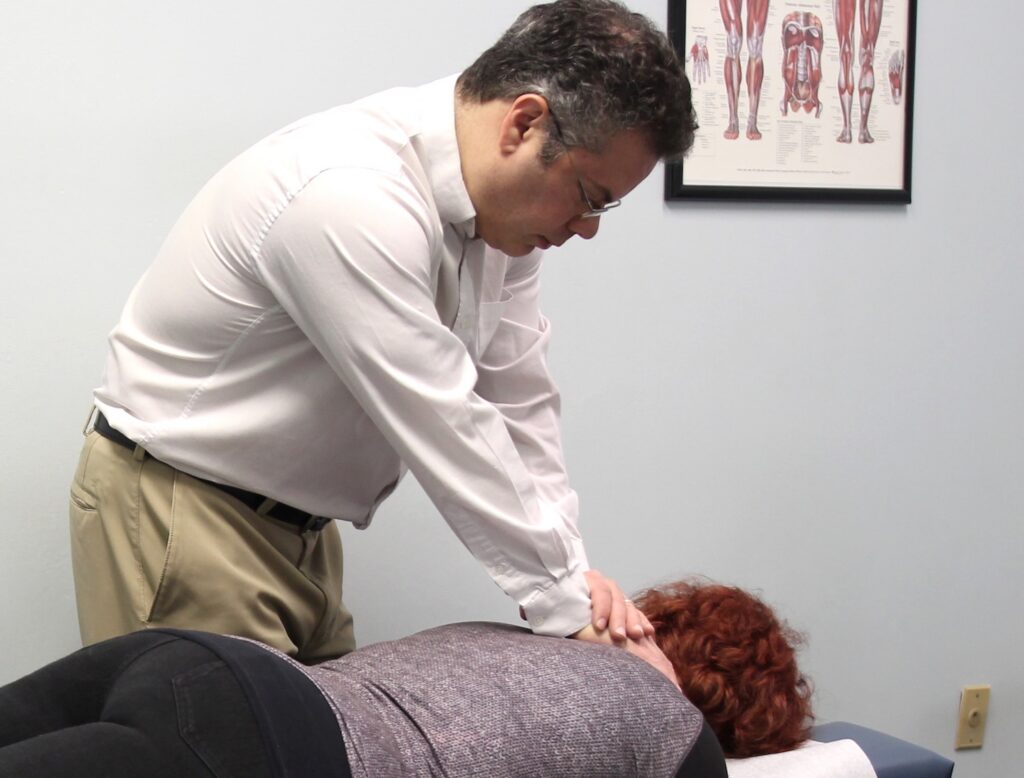
Consulting with a chiropractor can be a game-changer for your upper back discomfort. Our focus is on spinal health and alignment, which is crucial for relieving pressure on nerves and muscles. Through targeted spinal adjustments, we can help realign your spine, alleviating pain and promoting natural healing.
Chiropractic care isn't just about adjustments; it's about creating a comprehensive plan tailored to your specific needs. I can work with you to develop a personalized treatment plan that may include exercises to strengthen your upper back muscles, improve your posture, and enhance your flexibility.
We also utilize various techniques, such as soft tissue therapy, to address muscle tension and support recovery.
If your pain is more severe or persistent, I can collaborate with other healthcare professionals to explore additional options. This could include referrals for physical therapy, where therapeutic exercises can further aid in your recovery, or discussing appropriate prescription medications if necessary.
Additionally, I encourage you to consider complementary therapies like acupuncture or massage therapy, which can further reduce muscle tension and improve circulation, contributing to your overall well-being.
Ultimately, my goal as your chiropractor is to provide you with a structured, natural approach to managing your upper back pain. By understanding the benefits of chiropractic care and seeking the right treatment, you can find a more effective path to relief and reclaim your quality of life.
Let's work together to get you feeling your best!
Conclusion
As a local chiropractor, I want to share with you some effective techniques for relieving upper back pain that can truly enhance your well-being. By integrating stretching, strengthening exercises, and proper posture into your daily routine, you can significantly alleviate discomfort. Additionally, utilizing heat therapy and engaging in mindfulness practices can further support your recovery. It's important to tune into your body's signals—if you're experiencing persistent pain, don't hesitate to seek professional help. With a consistent and holistic approach, you can achieve lasting relief and enjoy a more active, pain-free lifestyle. Remember, chiropractic care focuses on natural healing, and I'm here to guide you on this journey to better health!