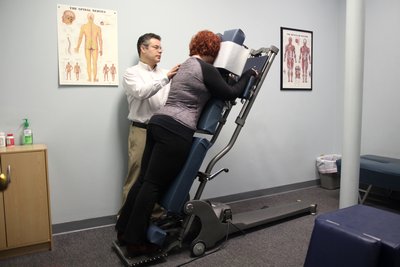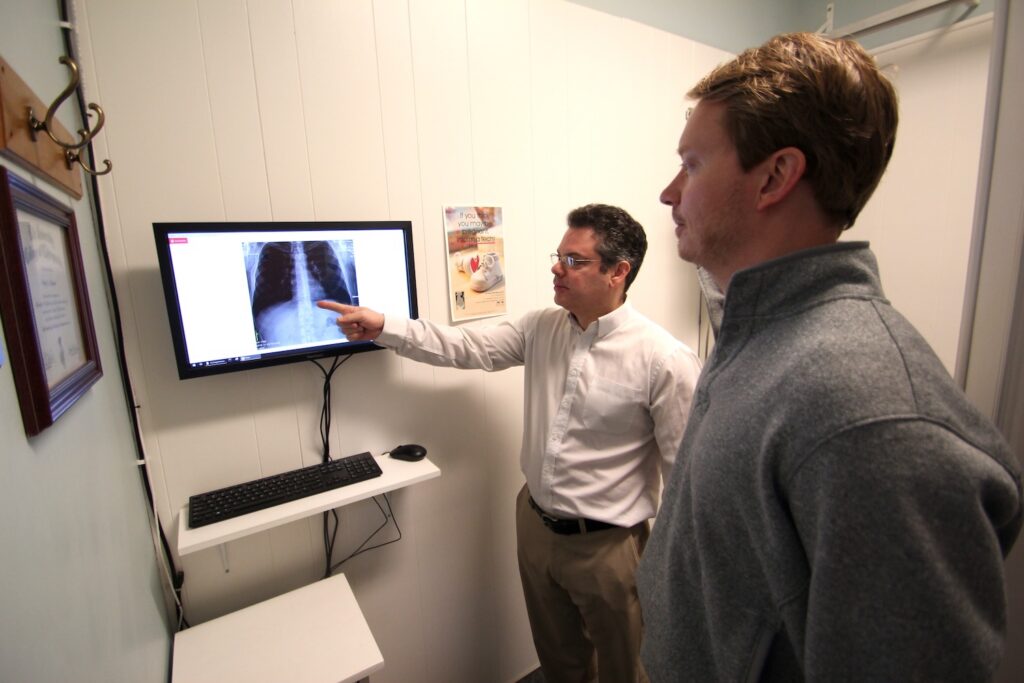

As a local chiropractor, I understand that dealing with a sports injury can be daunting. It's important to know that there are effective ways to recover and get back to doing what you love. While many people think that simply resting is sufficient for healing, there are a variety of techniques that can speed up your recovery and help you return to your game even stronger.
Incorporating methods such as ice therapy, chiropractic adjustments, and mindfulness practices can significantly enhance your healing process. Each of these strategies plays a crucial role in your recovery journey. Are you curious about how these techniques can benefit you specifically? Let's dive into the ten best strategies that I recommend to help you bounce back from your injury more effectively and naturally. Your body has an incredible ability to heal, and with the right support, you can unlock its full potential.
Prioritize Rest and Recovery
As a local chiropractor, I want to emphasize the critical role that rest and recovery play in healing from any sports injury. When you've suffered an injury, it's crucial to allow your body the necessary time to heal effectively. Ignoring the need for rest can lead to further complications and may significantly prolong your recovery. It's essential to listen to your body and respect its signals.
You might feel tempted to push through the discomfort or quickly return to your usual activities, but this can actually impede your healing process. Instead, I recommend prioritizing rest as the first step on your road to recovery. This means taking a break from all high-impact activities, including training and competitive sports. Your muscles, tendons, and ligaments require time to repair, and overexerting them can lead to chronic problems down the line.
In addition to physical rest, it's also beneficial to incorporate mental rest into your recovery strategy. Mental fatigue can diminish your motivation and focus, so taking the time to relax and recharge is just as important. Consider engaging in gentle activities that won't strain your injury, such as light stretching or mindfulness practices like meditation, to support your healing journey.
Furthermore, during this recovery phase, it's essential to evaluate your nutrition and hydration. Proper nourishment can significantly accelerate the healing process, so focus on maintaining a balanced diet rich in vitamins and minerals.
This holistic approach to rest and recovery aligns with the principles of chiropractic care, supporting your body's natural healing abilities and enhancing your overall well-being. Remember, taking the time to rest now can lead to a stronger and healthier return to your activities later on.
Implement Ice Therapy
As a local chiropractor, I often emphasize the importance of natural healing methods for sports injuries, and one of the most effective techniques we recommend is ice therapy.
After an injury occurs, applying ice can significantly help reduce pain and swelling. This is because ice therapy constricts blood vessels, minimizing inflammation and providing immediate relief.
To get the most benefit from ice therapy, it's crucial to apply it as soon as possible after your injury. You can use a cold pack, ice wrapped in a cloth, or even a bag of frozen vegetables. Just remember, never apply ice directly to your skin to avoid the risk of frostbite.
I suggest applying the ice for about 15 to 20 minutes at a time, repeating the process every one to two hours, especially during the first 48 hours following the injury. This method not only helps manage pain but also supports your body's natural healing process.
While you're icing, you may experience a slight tingling sensation, which is perfectly normal. However, it's essential to monitor your skin for any signs of excessive redness or discomfort. If you notice any unusual reactions, please remove the ice immediately.
In addition to pain relief, ice therapy can assist in restoring mobility. Once the initial swelling has subsided, it's beneficial to incorporate gentle movements into your routine.
Remember, ice therapy is just one component of the recovery process, but it plays a critical role in laying a strong foundation for your rehabilitation. Don't underestimate the effectiveness of ice in your healing journey!
If you have any questions about integrating this or other natural healing techniques into your recovery, feel free to reach out.
Utilize Compression Techniques
As a local chiropractor, I want to share how compression techniques can significantly aid your recovery from sports injuries.
There are various forms of compression gear available that can support your healing process and help minimize swelling.
Understanding the advantages of compression therapy is essential in making informed choices for your recovery journey.
Types of Compression Gear
As a local chiropractor, I want to share how compression gear can significantly enhance your recovery and performance, whether you're an athlete or just someone looking to stay active.
Understanding the various types of compression gear available can help you make informed decisions about your health and wellness.
First, let's talk about compression sleeves. These are designed for your arms and legs and provide support while allowing for natural movement.
Using compression sleeves can enhance blood circulation, which may help reduce muscle soreness after intense physical activities, aiding your recovery process.
Next, consider compression socks. These are particularly beneficial for promoting circulation in your feet and lower legs.
If you're planning a long run or even a lengthy flight, compression socks can help prevent swelling and fatigue, making your experience much more comfortable.
For those of you focusing on upper body recovery, compression shirts can be an excellent choice.
They provide support to your chest and shoulders, which can help improve your posture.
This is especially useful for activities such as weightlifting or any upper body workouts, as it can help you maintain proper alignment and reduce the risk of injury.
Lastly, there are full-body compression suits, which offer uniform pressure across your entire body.
These suits are great for overall recovery, particularly after exercising, as they help promote blood flow and reduce muscle fatigue.
By incorporating compression gear into your routine, you can enhance your recovery and improve your overall performance.
As your chiropractor, I'm here to support your journey to better health and help you understand how these tools can work alongside chiropractic care for optimal results.
Benefits of Compression Therapy
As a chiropractor dedicated to helping you achieve optimal health and wellness, I want to share the benefits of compression therapy for your recovery and overall performance. This technique involves applying consistent pressure to your muscles, which can significantly enhance blood flow. Improved circulation means that oxygen and essential nutrients are delivered more efficiently to your tissues, supporting the healing process and helping to reduce swelling and inflammation. This can make it easier for you to recover from injuries and feel your best.
Additionally, compression therapy can be a powerful ally in minimizing muscle soreness after exercise. By wearing compression garments post-workout, you can help your body flush out lactic acid and other metabolic waste, leading to a faster recovery. Many of my patients have reported feeling less fatigued in their muscles, allowing them to train harder and longer without the lingering discomfort from previous sessions.
Another important aspect of compression therapy is its ability to enhance proprioception—your body's awareness of its position and movement. This heightened sense of body awareness can lead to improved performance during physical activities and a reduced risk of future injuries.
Incorporating compression therapy into your routine is straightforward. You can choose from various options such as compression socks, sleeves, or full-body garments, depending on your specific needs and preferences.
If you're seeking a way to speed up your recovery and boost your athletic performance, I encourage you to consider the benefits of compression therapy as part of your overall wellness journey. Let's work together to enhance your health naturally!
Elevate the Affected Area
When you elevate the affected area, you're taking a proactive step towards reducing swelling and improving blood circulation, which is crucial for recovery.
As a chiropractor, I often emphasize the importance of this simple technique to my patients. Not only does it help in alleviating pain, but positioning the injury above heart level can significantly enhance the healing process.
By incorporating elevation into your self-care routine, you're supporting your body's natural ability to heal itself effectively.
Reduces Swelling Effectively
As a local chiropractor, I want to share some important advice on how to effectively manage swelling after a sports injury. One of the most crucial steps is elevating the affected area. When you raise the injured part of your body above heart level, it allows gravity to assist in reducing blood flow to that area. This can significantly decrease swelling and inflammation.
For the best results, I recommend combining elevation with ice therapy. The cold not only numbs the area but also constricts blood vessels, helping to limit fluid accumulation. To elevate your injury, use pillows, cushions, or any stable support you can find. It's ideal to keep the area elevated for at least 24 to 48 hours after the injury occurs, as this is when swelling is usually at its worst.
Aim to maintain this elevated position for 15 to 30 minutes several times a day. If your injury involves a limb, consider applying a compression bandage for additional support and to further aid in reducing swelling.
By properly elevating your injury, you can't only manage swelling effectively but also alleviate pain and speed up your recovery process. Remember, every small action contributes to your healing journey. Don't overlook this simple yet powerful technique!
Improves Blood Circulation
As a local chiropractor, I often emphasize the importance of proper care and techniques when it comes to recovering from sports injuries. One of the simplest yet most effective methods is elevating the affected area, which can significantly enhance blood circulation.
When you elevate the injured limb above heart level, gravity plays a crucial role in reducing pressure on the blood vessels, allowing for more efficient blood flow. This improved circulation is vital as it ensures that essential nutrients and oxygen reach the injured tissues, which is key for healing.
You may be surprised at how easy it's to incorporate this technique into your recovery routine. Simply find a comfortable position and use pillows or a cushion to prop up the injured area. It's important to ensure that it's stable to prevent any further strain.
By keeping the injury elevated for a few hours each day, you're encouraging better blood flow, which can help speed up your recovery process.
Moreover, enhanced circulation not only delivers nutrients to the injury site but also aids in the removal of metabolic waste products. This dual action further supports the healing process.
Staying proactive about your recovery can lead to significant improvements, and elevating the affected area is a straightforward step that fits seamlessly into your daily routine.
Enhances Pain Relief
As a local chiropractor, I want to share an important technique that can significantly enhance your pain relief during recovery from a sports injury: elevation. Elevating the affected area is a simple yet powerful method to aid your healing process. By raising the injured limb above heart level, you can effectively reduce swelling and improve blood circulation in that area. This positioning not only helps to alleviate pressure on the injury but also contributes to pain relief.
To elevate the injured limb, consider using pillows or cushions to prop it up while you rest. It's beneficial to keep it elevated as much as possible, especially during the first few days following the injury. A good practice is to alternate between icing the area and maintaining elevation. Ice therapy can numb the pain and minimize inflammation, while elevation works hand in hand with this by promoting the drainage of excess fluid, enhancing overall comfort.
It's also crucial to avoid putting weight on the injured area whenever possible. This practice not only supports pain relief but also helps to prevent any further damage to the injury.
Engage in Physical Therapy
Engaging in chiropractic care is a vital step in your sports injury recovery journey. It's not merely about managing pain; it's about restoring function, enhancing strength, and preventing future injuries through natural healing methods. When you visit a qualified chiropractor, you'll receive a personalized treatment plan specifically designed to address your unique needs and the nature of your injury.
Your chiropractor will guide you through various techniques aimed at rehabilitating the affected area, with a focus on improving mobility and stability. Initially, you may undergo gentle adjustments and stretches to enhance flexibility, gradually moving towards more intensive strengthening exercises. This careful approach ensures that you don't rush the healing process, allowing your body to adapt and recover effectively.
In addition to adjustments, your chiropractor may utilize complementary therapies such as soft tissue therapy, ultrasound, or therapeutic exercises to expedite your recovery. These modalities can help reduce inflammation, alleviate pain, and promote healing in the injured tissues.
Education is another crucial element of chiropractic care. Your chiropractor will teach you about proper body mechanics and techniques to avoid re-injury, whether you're on the field, in the gym, or simply going about your daily life. By understanding how to move safely and effectively, you'll be better prepared to return to your sport stronger than ever.
Don't overlook the importance of chiropractic care in your recovery process. It's a fundamental aspect that can significantly enhance your overall performance and health. Commit to this path of natural healing, and you'll experience the benefits long after your injury has healed.
Follow a Nutrient-Rich Diet
As a local chiropractor, I want to emphasize the importance of integrating nutrition into your recovery plan after receiving chiropractic care. Many people may not realize that a nutrient-rich diet is vital for healing, especially when recovering from a sports injury. By nourishing your body with the right foods, you can't only boost your energy levels but also provide essential vitamins and minerals that aid in tissue repair and help reduce inflammation.
Here are some key components I recommend including in your diet:
- Lean Proteins: Foods like chicken, fish, and legumes are crucial for rebuilding muscle tissue and facilitating the healing process.
- Healthy Fats: Incorporating avocados, nuts, and olive oil into your meals can help reduce inflammation and promote your overall health.
- Fruits and Vegetables: These foods are packed with antioxidants and vitamins that enhance your immune system and assist your body in recovering more effectively.
- Whole Grains: Options like brown rice and quinoa provide sustained energy, which is essential for your body's healing efforts.
It's important to prioritize these nutrient-dense foods while steering clear of processed snacks and sugary beverages, as they can impede your recovery.
As you begin to make these dietary changes, pay attention to how your body responds and adjust your food intake accordingly. If you're uncertain about which specific nutrients you may need, I encourage you to consult with a nutritionist who specializes in sports recovery.
Stay Hydrated
As a local chiropractor, I want to emphasize the critical role hydration plays in sports injury recovery—something that many people tend to overlook. When you're dealing with an injury, your body requires additional fluids to facilitate the healing process, reduce inflammation, and eliminate toxins. If you're not adequately hydrated, you could slow down your recovery, making it longer and more difficult.
It's important to aim for a consistent intake of water throughout the day. While a common guideline suggests drinking about eight 8-ounce glasses daily, your needs may vary based on your activity level, the climate you live in, and your individual circumstances. I recommend carrying a reusable water bottle with you and taking sips regularly.
Additionally, incorporating hydrating foods, such as cucumbers, watermelon, and oranges, can significantly enhance your fluid intake.
Listening to your body's cues is essential. If you find yourself feeling thirsty, that's a strong indicator that you need to increase your fluid consumption. You can also monitor the color of your urine; a light yellow hue typically signifies adequate hydration, while darker shades suggest you need to drink more water.
For those who sweat heavily or experience muscle cramps, consider electrolyte-rich beverages. These drinks can replenish essential minerals lost through sweating. However, be cautious with sugary drinks, as they can impede your recovery.
Integrating a hydration routine into your recovery plan is crucial. Not only will it help you feel better physically, but staying hydrated can also enhance your energy levels and overall mood.
Practice Mindfulness and Relaxation
As a local chiropractor, I want to share how practicing mindfulness and relaxation can significantly aid your recovery from a sports injury.
Integrating techniques such as deep breathing exercises and guided visualization into your routine can help you manage stress and foster healing. These practices not only soothe your mind but also allow you to reconnect with your body as you heal.
By being present and attentive to your body's needs, you can enhance the effectiveness of your chiropractic care and support your overall recovery journey.
Embracing these natural healing methods complements the adjustments and therapies we provide in our practice, making for a more holistic approach to your wellness.
Benefits of Mindfulness Techniques
As a local chiropractor, I want to share how incorporating mindfulness techniques into your recovery from sports injuries can significantly enhance both your mental and physical well-being. Many of my patients may not realize the vital role that mindfulness can play in their rehabilitation process.
Here are some key benefits you may experience by integrating these techniques into your healing journey:
- Reduced Stress: Mindfulness practices can help you manage anxiety and stress, which are often barriers to effective recovery. By calming your mind, you create a more conducive environment for healing.
- Improved Focus: Engaging in mindfulness sharpens your ability to concentrate. This heightened focus allows you to remain present and fully engaged during your rehabilitation exercises, which is crucial for optimal recovery.
- Enhanced Pain Management: Mindfulness can change how you perceive pain, making it easier to cope with any discomfort you may experience as you heal. This approach can empower you to take an active role in your recovery.
- Greater Emotional Resilience: Developing a mindful attitude fosters a positive mindset. This resilience equips you to face challenges and setbacks with strength, which is essential during the recovery process.
By embracing mindfulness techniques, you're not only supporting your physical recovery but also nurturing your emotional health.
Many of my patients find that becoming more attuned to their bodies and minds leads to more effective healing. As you practice mindfulness, you create a supportive atmosphere for your body to recover, ultimately facilitating a smoother return to your athletic pursuits.
Deep Breathing Exercises
As a local chiropractor dedicated to your recovery and well-being, I want to introduce you to the benefits of deep breathing exercises. These exercises aren't just about relaxation; they're an essential part of mindfulness that can significantly aid your healing process after sports injuries.
By concentrating on your breath, you can alleviate anxiety and stress, which can obstruct your body's natural healing abilities.
To get started, find a comfortable position, whether sitting or lying down. Begin by inhaling deeply through your nose for a count of four, allowing your abdomen to rise fully. Hold that breath for a brief moment, then exhale slowly through your mouth for a count of six.
Repeat this cycle for several minutes. As you focus on your breathing, imagine the air filling your lungs and nourishing every part of your body, while simultaneously releasing any tension you may be holding onto.
Incorporating these deep breathing exercises into your daily routine can greatly enhance your overall well-being and support your recovery. You can practice them at any time—whether you're resting at home or taking a break during your rehabilitation.
Guided Visualization Practices
As a local chiropractor, I often emphasize the importance of holistic approaches to recovery, especially when it comes to sports injuries. One effective method that can complement your chiropractic care is guided visualization. This technique, combined with the calming effects of deep breathing, can significantly enhance your healing process.
Guided visualization involves creating mental images focused on healing and success. By visualizing your recovery, you can promote relaxation and cultivate a positive mindset, which are crucial for effective healing. This practice helps you connect with your body and envision the healing process, potentially accelerating your recovery.
Here's how you can incorporate guided visualization into your healing routine:
- Find a quiet space: Look for a comfortable environment free from distractions. This will allow you to focus entirely on your visualization without interruptions.
- Close your eyes: Begin by taking several deep breaths to help your body relax. This step is essential for preparing your mind for the visualization exercise.
- Visualize the healing process: Picture your injury healing in your mind's eye. Imagine the tissues regenerating and the pain fading away. Engage all your senses to make this visualization as vivid as possible.
- Repeat regularly: To make the most of this technique, incorporate guided visualization into your daily routine. Spending 10-15 minutes on this practice can reinforce positive outcomes and support your recovery journey.
Gradually Increase Activity Levels
As a local chiropractor, I want to emphasize the importance of gradually increasing your activity levels for a successful recovery from a sports injury. After experiencing an injury, it's crucial to allow your body the necessary time to heal. However, once you're feeling ready, it's essential not to rush back into your previous routine all at once.
Start off with gentle, light activities that won't aggravate your injury. Focusing on movements that promote healing is key; these gentle reintroductions enhance blood flow and flexibility, both of which are vital for recovery.
Consider beginning with low-impact exercises like walking, swimming, or cycling. These activities are designed to reduce stress on your injured area while still helping you maintain some level of fitness. As you start to feel more comfortable, you can gradually add in strength training or balance exercises. Always listen to your body—if you feel any pain or discomfort, it's crucial to take a step back.
Initially, aim for shorter exercise sessions, gradually extending both the duration and intensity as you gain confidence. Keeping a log of your activities can be beneficial; it allows you to track your progress and stay motivated. Don't forget to celebrate those small victories, whether it's adding an extra five minutes to your routine or noticing that you feel stronger during a particular exercise.
It's also important to be attentive to your body's signals. If you find yourself experiencing swelling or increased pain, take that as a clear indication to slow down and reassess your approach. Remember, recovery isn't a race. Pushing yourself too hard too quickly can lead to setbacks.
Instead, focus on consistency over intensity. By gradually increasing your activity levels, you'll be laying a strong foundation for returning to your sport, which can help ensure that you remain injury-free in the future.
As your chiropractor, I'm here to guide you through this healing process and support you on your journey back to optimal health.
Consult With Healthcare Professionals
Consulting with a chiropractor can be a crucial step in your recovery journey, especially if you've sustained a sports injury. As a local chiropractor, I want to emphasize the importance of seeking expert advice to ensure you're on the right path to healing.
Chiropractic care focuses on natural healing and holistic approaches, which can offer significant benefits during your recovery process. Neglecting to consult a professional might lead to longer healing times or the risk of re-injury.
Here are some key reasons to consider chiropractic care for your recovery:
- Comprehensive Assessment: A chiropractor will thoroughly assess your injury, identifying not just the symptoms but also the underlying issues, helping you understand the full scope of what you're facing.
- Holistic Treatment Plans: We provide customized treatment plans that take into account your unique needs, lifestyle, and goals, focusing on restoring balance and function.
- Injury Prevention Techniques: Chiropractors can teach you effective strategies to prevent future injuries, enabling you to train in a smarter and safer way.
- Support for Rehabilitation: Chiropractic care often includes rehabilitation services that help you regain strength, flexibility, and mobility effectively, ensuring a well-rounded recovery.
Don't hesitate to reach out to a chiropractor for guidance on your recovery. We're here to help you make informed decisions, understand your injury, and keep you motivated throughout the healing process.
Remember, prioritizing your health is essential, and investing time in chiropractic care can significantly influence your return to the sports and activities you love.
Ultimately, working with a chiropractor not only lays the groundwork for a successful recovery but also promotes a safer return to your active lifestyle.
Conclusion
As a local chiropractor, I want to share some valuable insights on how to enhance your recovery from sports injuries. Integrating these ten techniques into your recovery plan can significantly boost your healing process. First and foremost, prioritizing rest is crucial. Your body needs time to heal, and overexertion can prolong recovery.
Utilizing ice therapy can help reduce inflammation and alleviate pain, making it a simple yet effective tool in your recovery arsenal. Engaging in physical therapy is also essential as it not only aids in rehabilitation but can also help you regain strength and flexibility in the affected area.
Staying hydrated is often overlooked but plays a vital role in recovery. Proper hydration supports your body's natural healing processes. Additionally, practicing mindfulness can be beneficial in managing stress during your recovery journey.
As you begin to gradually increase your activity levels, I encourage you to consult with healthcare professionals, including chiropractors, for personalized guidance. We can help assess your progress and ensure you are on the right track.
By adopting a holistic approach to your recovery, you'll not only heal more effectively but also minimize the risk of future injuries, allowing you to stay active and engaged in the sports you love. Remember, your health and wellness are top priorities, and I'm here to support you every step of the way.