
If you're grappling with arthritis pain, you might be seeking ways to alleviate discomfort without relying solely on medication. Exploring natural remedies can open up a range of options that not only focus on reducing inflammation but also enhance your overall well-being. From dietary changes to holistic therapies, there are several strategies worth considering. But, which of these approaches could truly make a difference in your daily life? Let's uncover some effective methods that could help you regain comfort and control.
Understanding Arthritis Pain
When you experience arthritis pain, it's essential to understand its nature and causes. Arthritis isn't just one condition; it encompasses over 100 different types, with osteoarthritis and rheumatoid arthritis being the most common. Each type presents unique challenges, but the common thread is inflammation in the joints, leading to pain, stiffness, and reduced mobility.
You may feel pain during movement or even at rest, which can affect your daily activities. This pain often stems from the wear and tear of cartilage, the cushioning material in your joints. In rheumatoid arthritis, your immune system mistakenly attacks healthy joint tissues, causing inflammation and pain.
Stress can also exacerbate your symptoms, making it important to recognize triggers that worsen your condition. Understanding the nature of your arthritis pain involves paying attention to your body. Notice when the pain is most intense—whether it's in the morning, after prolonged inactivity, or following physical exertion.
This knowledge can help you manage your symptoms more effectively. Additionally, understanding that arthritis pain can fluctuate from day to day can prepare you both mentally and physically for those tougher days.
You're not alone in this journey. Many people face similar struggles, and the more you learn about your condition, the better equipped you'll be to tackle it. By recognizing the underlying causes of your arthritis pain, you can take the first steps toward finding effective relief and improving your quality of life.
Benefits of Natural Remedies
Natural remedies offer a sense of empowerment for those managing arthritis pain. Instead of relying solely on pharmaceuticals, which often come with unwanted side effects, you can explore various natural options that promote healing and comfort. These remedies can't only alleviate pain but also enhance your overall well-being.
One of the primary benefits of natural remedies is their holistic approach. They often address the root causes of inflammation and discomfort rather than just masking the symptoms. By incorporating herbs, essential oils, and natural supplements into your routine, you can support your body's healing processes. For instance, turmeric and ginger are well-known for their anti-inflammatory properties and can be easily added to your diet.
Moreover, natural remedies typically have fewer side effects compared to conventional medications. This means you can try different combinations without the fear of experiencing severe reactions. You'll find that many natural solutions, such as heat therapy and gentle exercises, can be tailored to your individual needs, allowing you to take control of your pain management.
Additionally, natural remedies can foster a deeper connection to your body and its needs. This mindfulness can lead to improved mental health, which is just as important when dealing with chronic pain.
Dietary Changes for Relief
Many people find that making dietary changes can markedly reduce arthritis pain and inflammation. By focusing on the foods you eat, you can help your body fight off inflammation, which is often a significant contributor to arthritis discomfort.
Start by incorporating more fruits and vegetables into your diet. These foods are packed with antioxidants, which can help combat oxidative stress and inflammation. Leafy greens, berries, and citrus fruits are particularly beneficial.
Also, consider adding healthy fats, like those found in olive oil, avocados, and nuts. Omega-3 fatty acids, commonly found in fatty fish such as salmon and mackerel, are known for their anti-inflammatory properties and can help ease joint pain.
It's equally important to reduce or eliminate certain foods that may trigger inflammation. Processed foods, sugary snacks, and refined carbohydrates can worsen symptoms. Instead, opt for whole grains like brown rice and quinoa.
Red meat and fried foods can also contribute to inflammation, so try to limit these in your meals.
Hydration plays a crucial role, too. Drinking plenty of water helps flush toxins from your body and maintain joint lubrication.
Herbal teas, especially ginger and turmeric, can provide additional anti-inflammatory benefits.
Herbal Supplements to Consider
In addition to dietary changes, herbal supplements can also play a significant role in managing arthritis pain and inflammation. Many people find relief through natural remedies that complement their overall treatment plan. Here are a few herbal options you might consider.
Turmeric, with its active compound curcumin, has powerful anti-inflammatory properties. You can easily incorporate it into your diet or take it as a supplement.
Ginger is another excellent choice, known for reducing pain and stiffness. You might use fresh ginger in cooking or opt for ginger tea to reap its benefits.
Boswellia, also known as Indian frankincense, has shown promise in clinical studies for its ability to inhibit inflammatory enzymes. This supplement is often available in capsule form, making it convenient to include in your daily routine.
Similarly, willow bark has been used for centuries to relieve pain, thanks to its salicin content, which your body converts into salicylic acid, the active ingredient in aspirin.
Additionally, consider omega-3 fatty acids from fish oil, which can help reduce joint stiffness and tenderness. If you prefer plant-based sources, flaxseed oil and chia seeds are great alternatives.
Before you start any new herbal supplement, it's important to consult with your healthcare provider, especially if you're taking other medications. They can help verify that the supplements you choose are safe and effective for your specific situation.
Exploring these options might just lead you to the relief you've been seeking.
Physical Activity and Exercise
Incorporating regular exercise into your routine can make a significant difference in managing arthritis pain.
You'll find that low-impact activities and stretching techniques help improve flexibility and reduce stiffness.
Let's explore how these options can enhance your overall well-being.
Benefits of Regular Exercise
Regular exercise offers significant benefits for managing arthritis pain and improving overall joint health. Engaging in consistent physical activity can help reduce stiffness and improve your range of motion. When you move your joints regularly, you increase blood flow and nutrients to the cartilage, which may help keep them healthy and lubricated.
Additionally, exercise strengthens the muscles around your joints, providing better support and stability. This can alleviate some of the stress and strain on your joints, potentially reducing pain and discomfort. You'll also find that regular activity boosts your mood and energy levels, helping combat the emotional toll arthritis can take.
Moreover, exercising can aid in maintaining a healthy weight. Excess weight puts added pressure on your joints, particularly in your knees and hips. By staying active, you can manage your weight more effectively, further easing the burden on your joints.
Lastly, establishing a routine can create a sense of accomplishment and improve your overall quality of life.
Low-Impact Activity Options
Finding activities that are gentle on your joints doesn't mean sacrificing the benefits of exercise. Low-impact exercises can help you stay active while minimizing discomfort. Consider walking, swimming, or cycling as excellent options. These activities provide cardiovascular benefits without putting excessive strain on your joints.
Walking is a simple yet effective way to get moving. You can start with short distances and gradually increase as your endurance improves.
Swimming offers a unique advantage, as the buoyancy of water supports your body, reducing stress on your joints. You can enjoy a full-body workout while staying cool and comfortable.
Cycling, whether on a stationary bike or outdoors, is another great option. It strengthens your leg muscles and improves cardiovascular health without jarring your joints.
Don't forget about group classes like water aerobics or chair yoga, which provide social interaction and motivation while keeping impact low.
Stretching and Flexibility Techniques
While staying active is essential for managing arthritis pain, stretching and flexibility techniques play an equally important role in maintaining joint health. Incorporating these practices into your routine can help improve your range of motion, reduce stiffness, and ease discomfort.
Start with gentle stretches targeting major muscle groups. Neck rolls, shoulder shrugs, and wrist stretches are great for releasing tension. Remember to breathe deeply and hold each stretch for 15-30 seconds. Don't rush; focus on how your body feels during each movement.
Consider incorporating yoga or tai chi into your exercise regimen. These practices not only enhance flexibility but also promote mindfulness, which can help you manage pain and stress. If you're new to these activities, look for beginner classes or online tutorials that guide you through the basics.
Always listen to your body; if a stretch causes pain, back off and try a gentler approach. Consistency is key, so aim to stretch at least three times a week.
Mindfulness and Stress Reduction
Mindfulness can be a powerful tool in managing arthritis pain and reducing stress. By focusing on the present moment, you can cultivate awareness and acceptance, which often leads to a decrease in pain perception. When you practice mindfulness, you're not just observing your thoughts; you're learning to respond to them with curiosity rather than judgment. This shift in mindset can help you better cope with the discomfort that arthritis brings.
Incorporating mindfulness into your daily routine doesn't require a significant time commitment. Start with just a few minutes each day. You could try deep breathing exercises or guided meditation. These practices allow you to center your thoughts and focus on your breath, helping to ease tension and anxiety.
As you become more comfortable with mindfulness techniques, you may find it easier to apply them in challenging situations, such as when you're dealing with arthritis flare-ups.
Another effective approach is body scan meditation, where you mentally check in with different parts of your body. This practice can enhance your awareness of where you hold tension and help you consciously relax those areas, providing relief from discomfort.
Moreover, mindfulness encourages self-compassion. When you acknowledge your pain without self-criticism, it can transform your experience, making it easier to manage your symptoms.
Hot and Cold Therapy
Hot and cold therapy can be a game changer in managing arthritis pain.
You might find that heat therapy soothes stiff joints, while cold therapy helps reduce inflammation and numb sharp pain.
Exploring these options can help you discover what works best for your relief.
Benefits of Heat Therapy
When managing arthritis pain, many people turn to heat therapy as a powerful tool. This method helps soothe stiff joints and muscles, providing welcome relief. By applying heat, you encourage blood flow to the affected area, which promotes healing and reduces tension. This increased circulation can help decrease pain and improve flexibility, allowing you to move more freely.
You can enjoy heat therapy through various methods, such as warm towels, heating pads, or even a hot bath. Each of these options offers unique benefits, so you can choose what feels best for you. For instance, a warm bath can provide full-body relief, while a heating pad targets specific spots with precision.
It's essential to listen to your body when using heat therapy. Start with shorter sessions to see how your body reacts, gradually increasing the duration as needed. Always make sure the heat isn't too intense to avoid burns.
Advantages of Cold Therapy
Cold therapy can be a game changer for managing arthritis pain. By applying cold to the affected areas, you can experience significant relief and reduce inflammation. This method is simple, effective, and can be easily integrated into your daily routine.
Here are some advantages of using cold therapy:
- Reduces Swelling: Cold therapy constricts blood vessels, which helps decrease swelling around joints and tissues, providing immediate relief.
- Numbs Pain: The cold sensation can numb the area, temporarily alleviating pain and allowing you to move more freely.
- Decreases Muscle Spasms: Cold applications can help relax muscles and prevent spasms, giving you greater comfort and mobility.
- Enhances Recovery: After physical activity, cold therapy speeds up recovery by reducing inflammation and soreness, letting you get back to your routine sooner.
Incorporating cold therapy into your pain management strategy can help you reclaim your life from arthritis.
Whether you use ice packs, cold compresses, or cryotherapy, you'll find that these methods aren't only effective but also easy to implement.
Essential Oils for Pain Relief
Vital oils can offer a natural and effective way to alleviate arthritis pain. These concentrated plant extracts possess anti-inflammatory and analgesic properties, making them ideal for managing discomfort. You can easily incorporate essential oils into your daily routine, providing a holistic approach to your arthritis symptoms.
One popular option is lavender oil, known for its calming effects. You can dilute a few drops in a carrier oil, like coconut or olive oil, and massage it into the affected areas. The soothing aroma also helps reduce stress, which can worsen pain.
Another excellent choice is eucalyptus oil. It has powerful anti-inflammatory properties and can relieve pain when applied topically. Just remember to mix it with a carrier oil to prevent skin irritation.
Peppermint oil is another effective pain reliever. Its cooling sensation can provide immediate relief and improve circulation. Try adding a few drops to your bath for a relaxing soak or applying it directly to sore joints.
Ginger oil is also worth considering, as it contains compounds that can reduce inflammation and promote better joint function.
To use essential oils effectively, it's crucial to safely dilute them and perform a patch test on your skin. Always consult your healthcare provider before starting any new treatment, especially if you're taking medication.
Acupuncture and Alternative Therapies
Acupuncture and other alternative therapies can complement natural pain relief methods like essential oils. If you're looking for ways to ease your arthritis pain, these therapies might be worth considering. They focus on treating your body holistically, addressing not just the symptoms but the underlying issues too.
Here are four alternative therapies that can help you manage your arthritis pain:
- Acupuncture: This ancient Chinese practice involves inserting thin needles into specific points on your body. It aims to balance your body's energy and can reduce pain and inflammation.
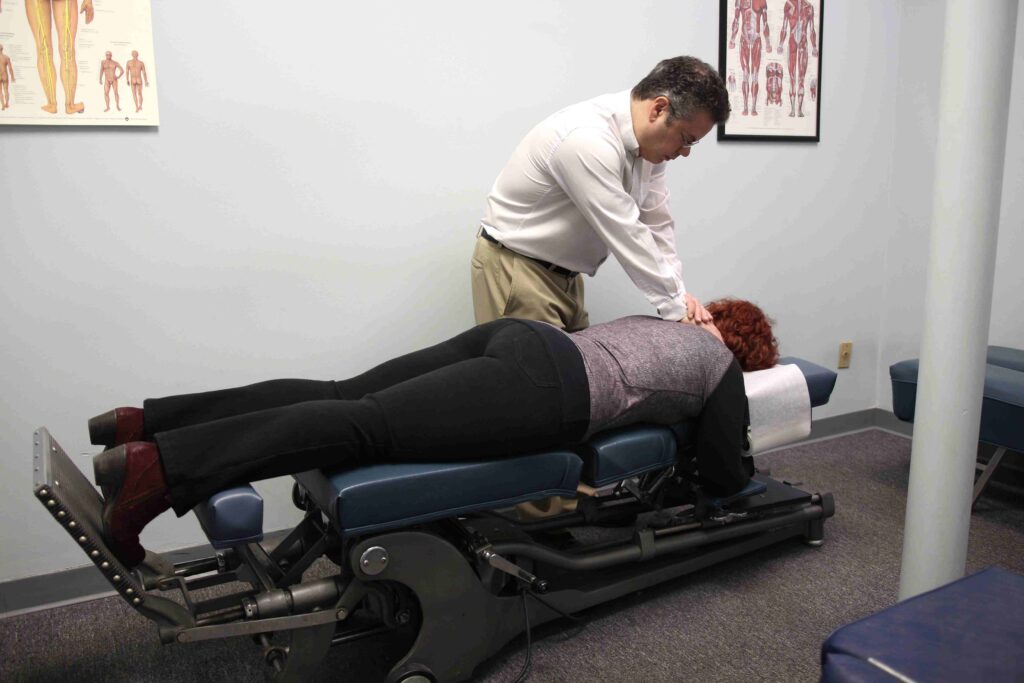
- Massage Therapy: Regular massage can help alleviate tightness in your muscles and improve circulation. It encourages relaxation and can lessen your pain perception.
- Yoga and Tai Chi: These gentle exercises focus on stretching, balance, and mindfulness. Practicing them can improve your flexibility and strength while also reducing stress, which may further help with pain management.
- Herbal Supplements: Some herbs, like turmeric and ginger, have anti-inflammatory properties. Consult with a healthcare provider before trying any new supplements, as they can interact with medications.
Incorporating these therapies into your routine can enhance your overall well-being. While they're not a cure, they offer additional pathways to manage arthritis pain more effectively.
Always consult with a healthcare professional before starting any new treatment to ascertain it's suitable for you.
Building a Support Network
Building a support network is essential for managing arthritis pain effectively.
You can connect with community resources and find local groups that understand your journey.
Online support groups also offer a wealth of shared experiences and advice, making it easier to feel less alone.
Importance of Community Support
When dealing with arthritis pain, having a strong support network can make all the difference. Connecting with others who understand your struggles can provide not just emotional comfort, but practical help as well.
Here are some ways community support can enhance your journey:
- Emotional Boost: Sharing your feelings with others who relate can lift your spirits and reduce feelings of isolation. You're not alone in this fight.
- Practical Advice: Friends or support groups can offer tips on managing pain, sharing what's worked for them. You can learn about natural remedies or techniques to ease discomfort.
- Encouragement for Activities: Having companions to join you for light exercises or social outings can motivate you to stay active. A little encouragement goes a long way.
- Access to Resources: Community members often have insights on local resources, like workshops or classes focused on arthritis management. This can help you find valuable information you mightn't have discovered on your own.
Building a support network isn't just beneficial; it's essential for maneuvering the complexities of arthritis pain.
Don't hesitate to reach out and create connections.
Finding Local Resources
Finding local resources can greatly enhance your ability to manage arthritis pain effectively. Start by connecting with healthcare providers in your area. Look for rheumatologists, physical therapists, and occupational therapists who specialize in arthritis treatment. They can offer personalized strategies and techniques to help alleviate your discomfort.
Next, check for local support groups. Many communities have groups specifically for people with arthritis, where you can share experiences, tips, and encouragement. These connections can provide a sense of belonging and understanding that's essential in your journey.
Don't forget to explore community centers or wellness programs offering yoga, tai chi, or other gentle exercises tailored for arthritis sufferers. Engaging in these activities can help improve flexibility and strength while connecting you with others facing similar challenges.
Local libraries or health organizations often host workshops or seminars focused on arthritis management. Attending these events can deepen your knowledge and introduce you to resources you mightn't have known about.
Online Support Groups
Connecting with online support groups can be a game-changer for managing arthritis pain. These communities provide you with a platform to share experiences, seek advice, and find comfort in knowing you're not alone.
Whether you're looking for practical tips or emotional support, online groups can connect you with others facing similar challenges.
Here are four benefits of joining an online support group:
- Access to Diverse Experiences: You'll hear a variety of stories and methods that have worked for others, helping you discover new coping strategies.
- Emotional Support: The journey of living with arthritis can be isolating. Engaging with others who understand can greatly lift your spirits.
- 24/7 Availability: Unlike local meet-ups, you can connect anytime, making it easier to fit support into your busy schedule.
- Resource Sharing: Members often share valuable resources, from recommended products to helpful articles, enabling you to stay informed.
Conclusion
Incorporating natural remedies into your arthritis management can truly make a difference in your daily life. By focusing on dietary changes, exploring herbal supplements, and engaging in regular physical activity, you can find relief from pain and inflammation. Don't overlook the benefits of therapies like acupuncture and essential oils, either. Remember, building a supportive network can help you stay motivated. Embrace these holistic approaches today, and take charge of your well-being for a brighter, more comfortable tomorrow.